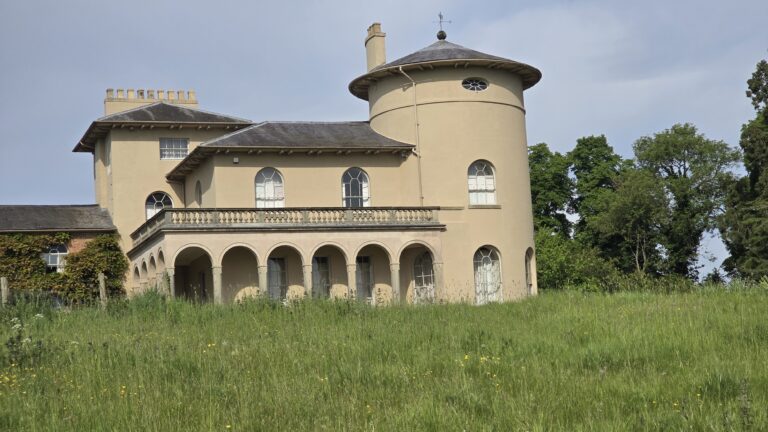
The suburb of Fitzroy in Melbourne, Australia has some stunning examples of Victorian Italianate style dwellings.
The polychromatic brickwork which is such a spectacular feature of this area is attributed to the proximity of the Brunswick works of John Glew, local brickmaker and supplier of coloured bricks (Jacob Lewis Vines, North Fitzroy Conservation Study 1978).
The results are marvellous because the basic Italianate form is embellished with this local, delightful style.
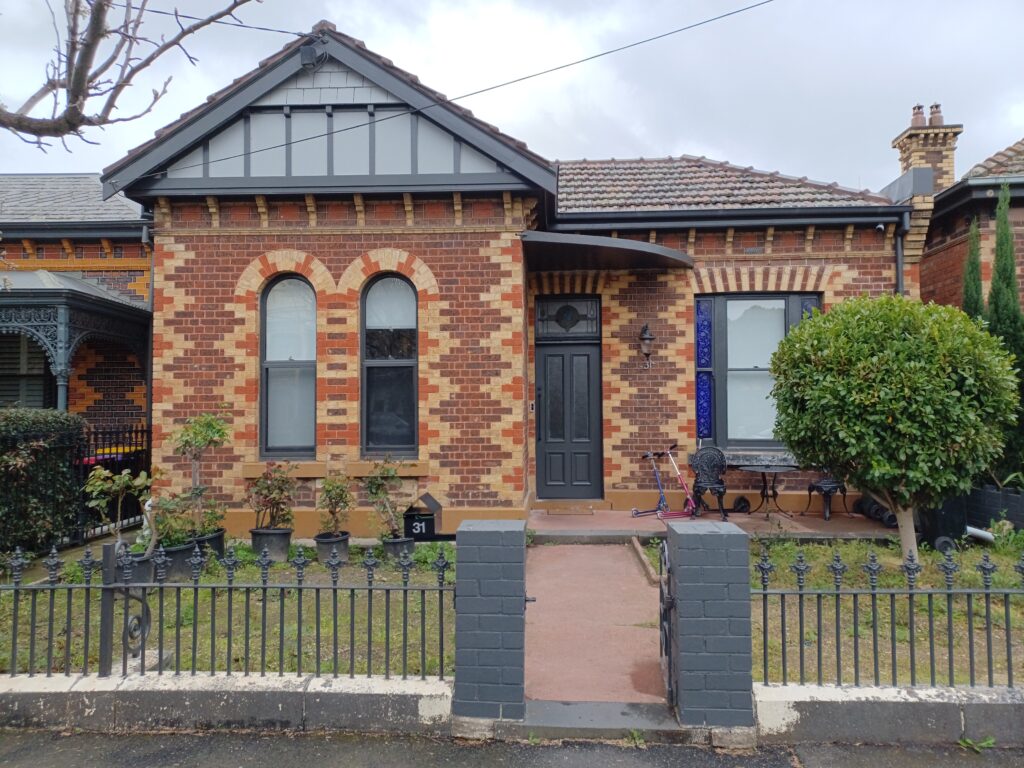
31 Rowe St
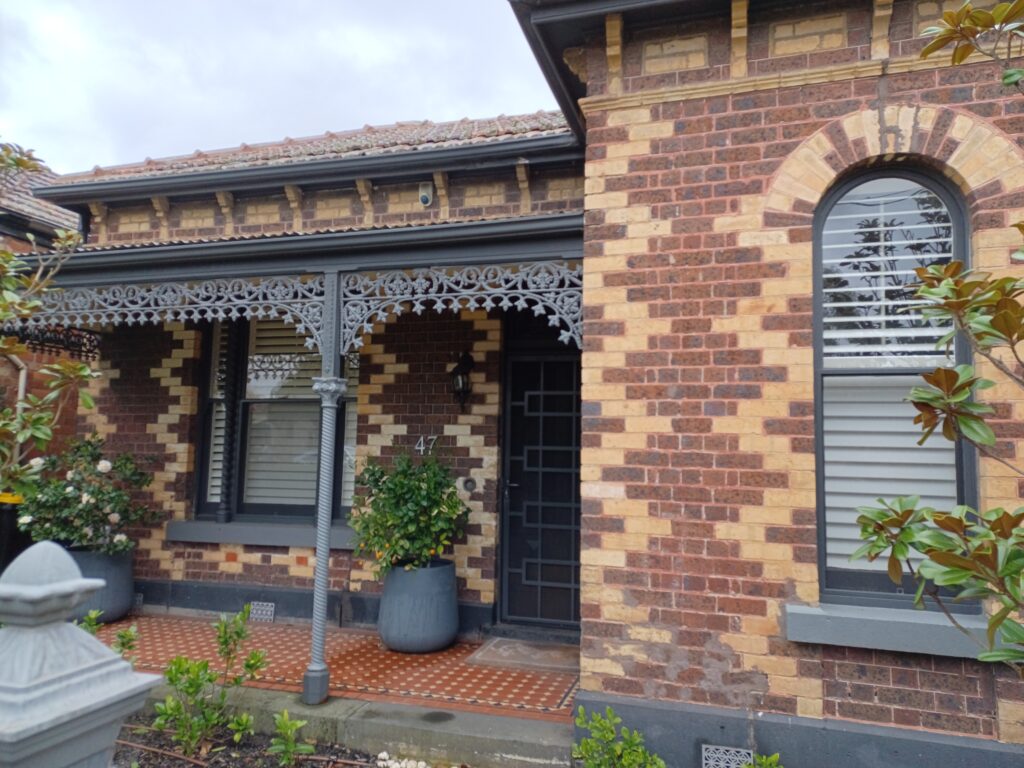
47 Rowe St
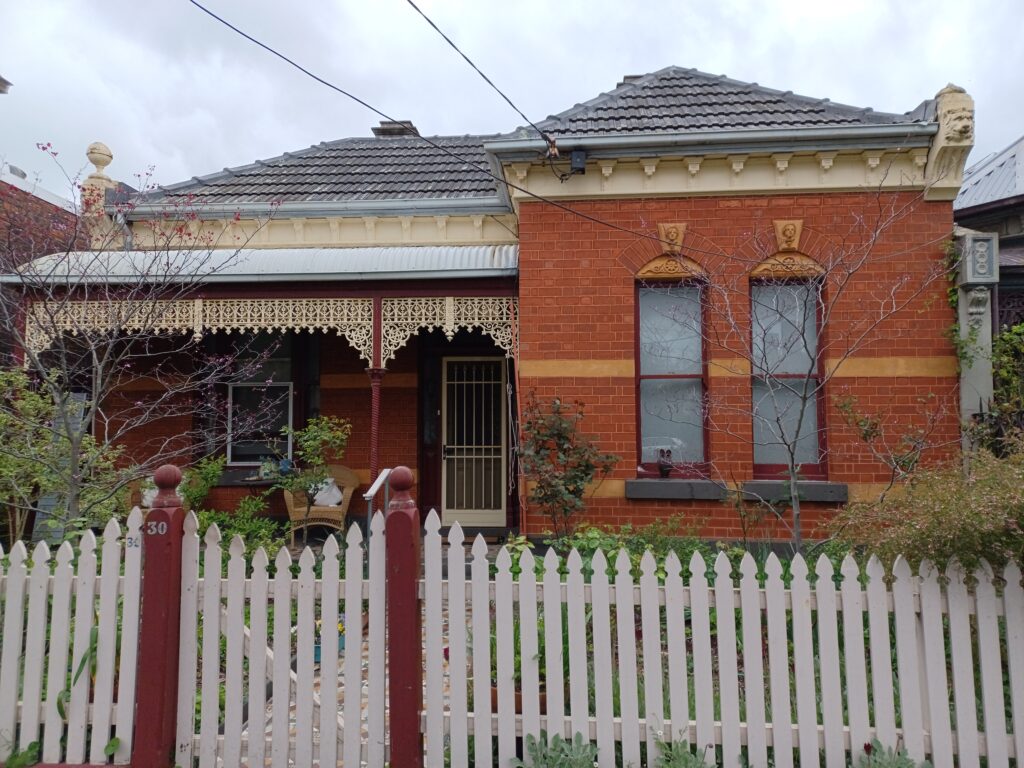
30 Michael St
The Victorian Italianate is a very versatile style, allowing for a lot of variety in each designer’s expression. More great examples follow.
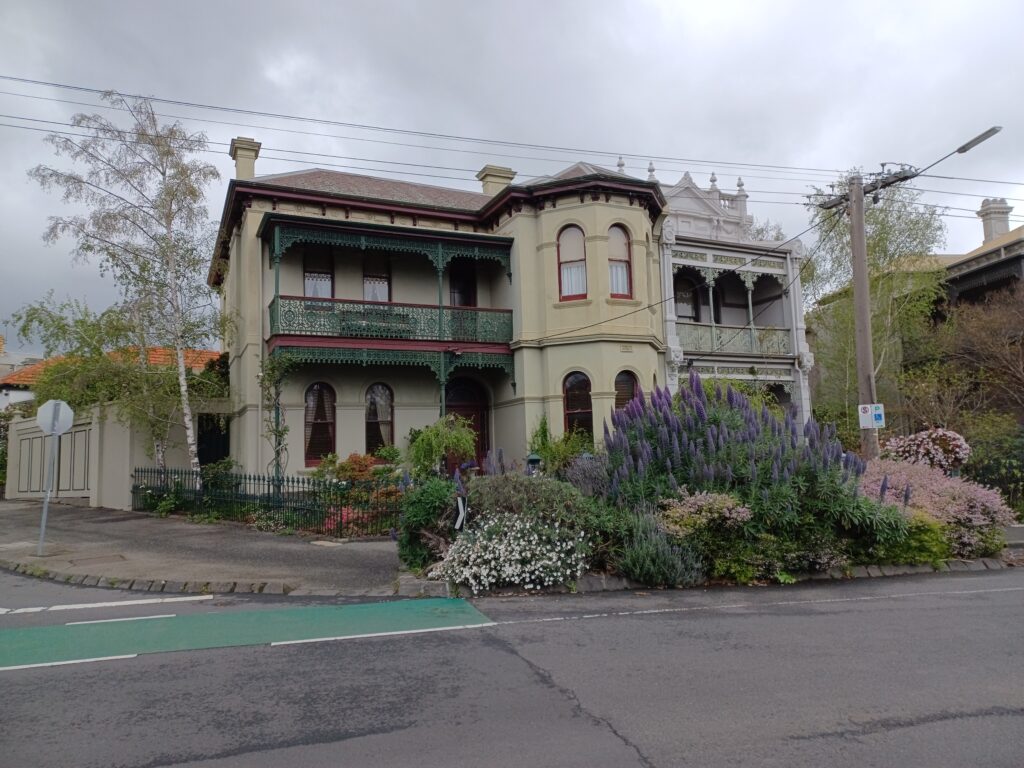
67 Alfred Cres
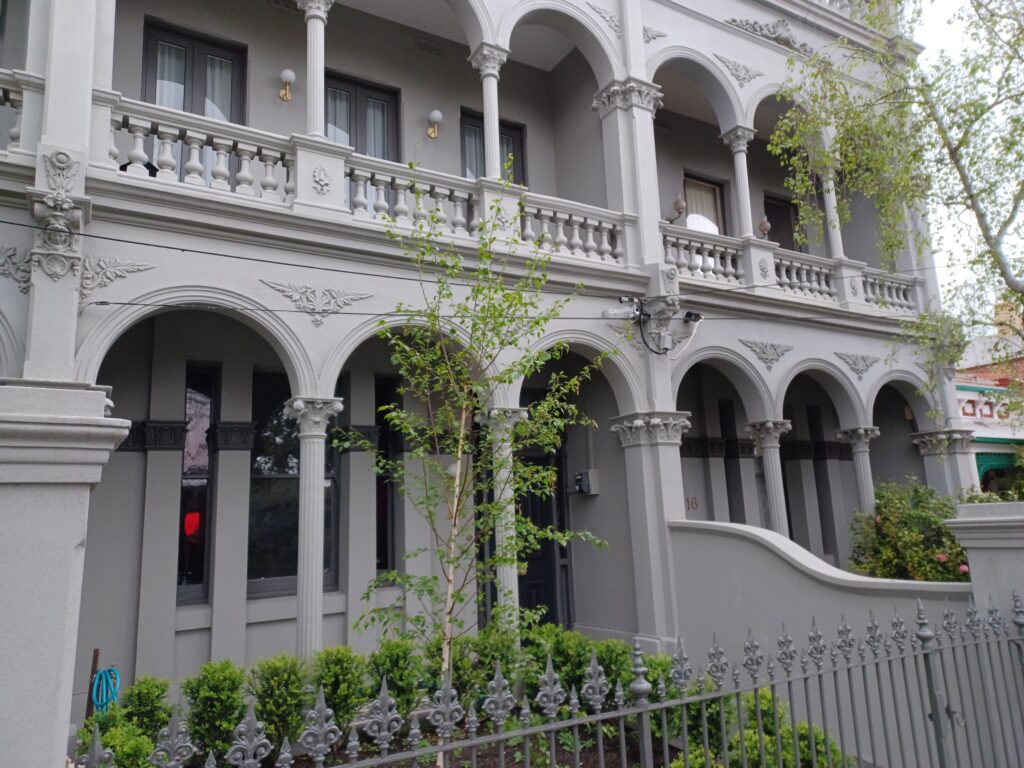
18 Rowe St
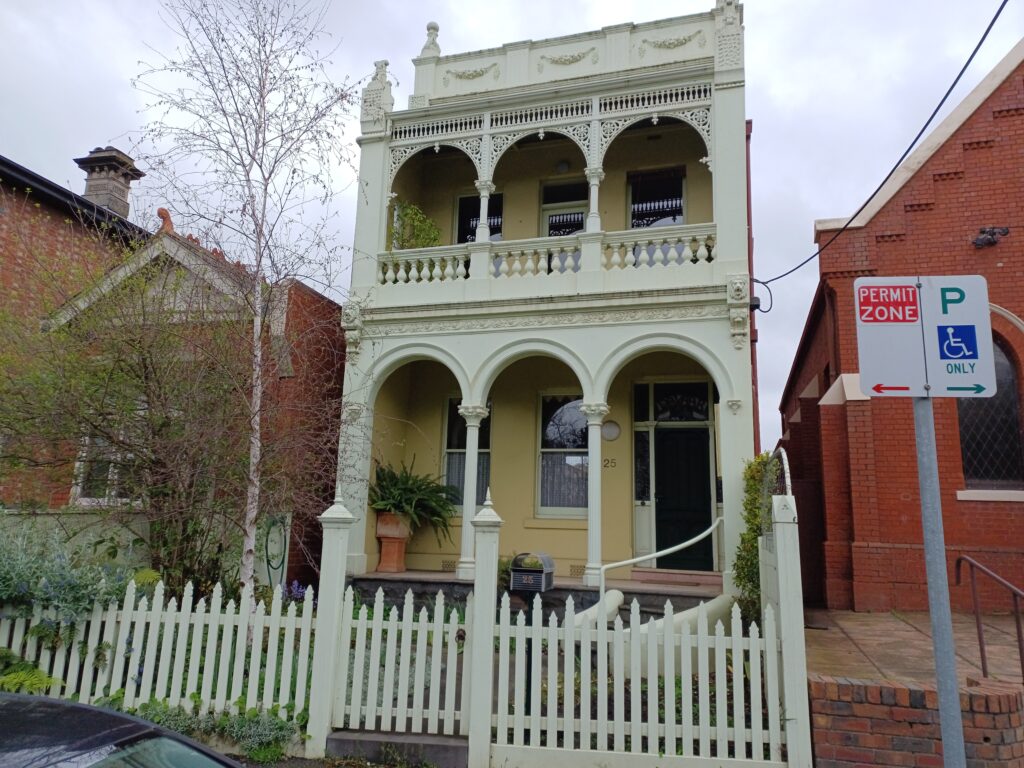
25 Alfred Cres
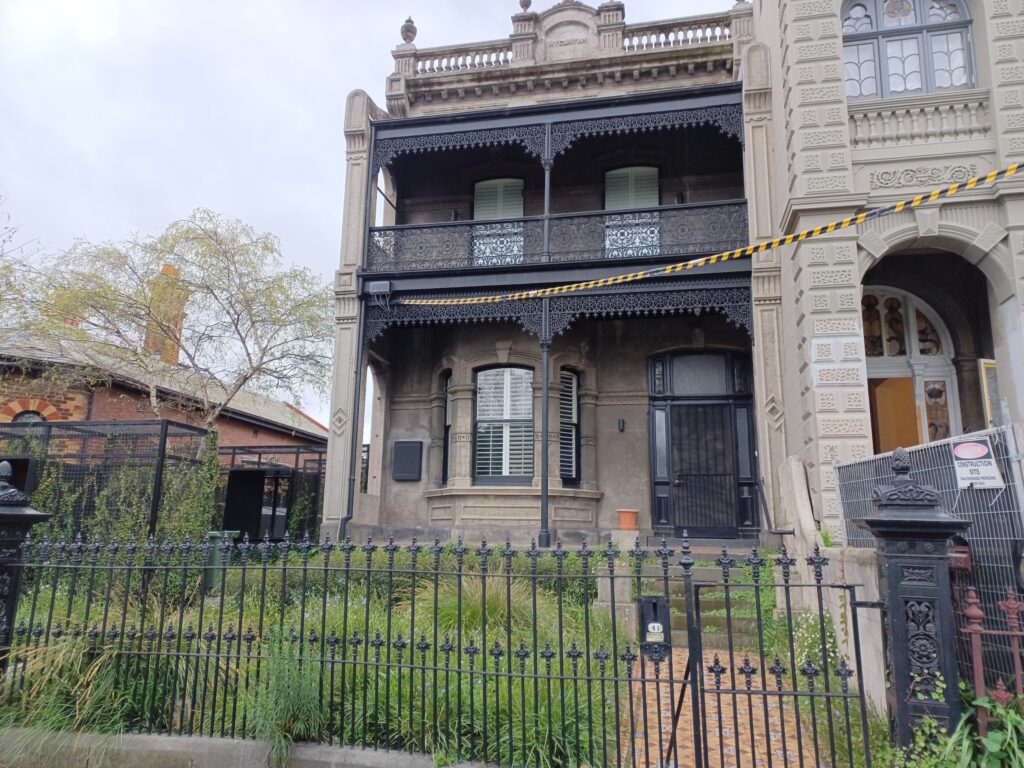
43 Alfred Cres
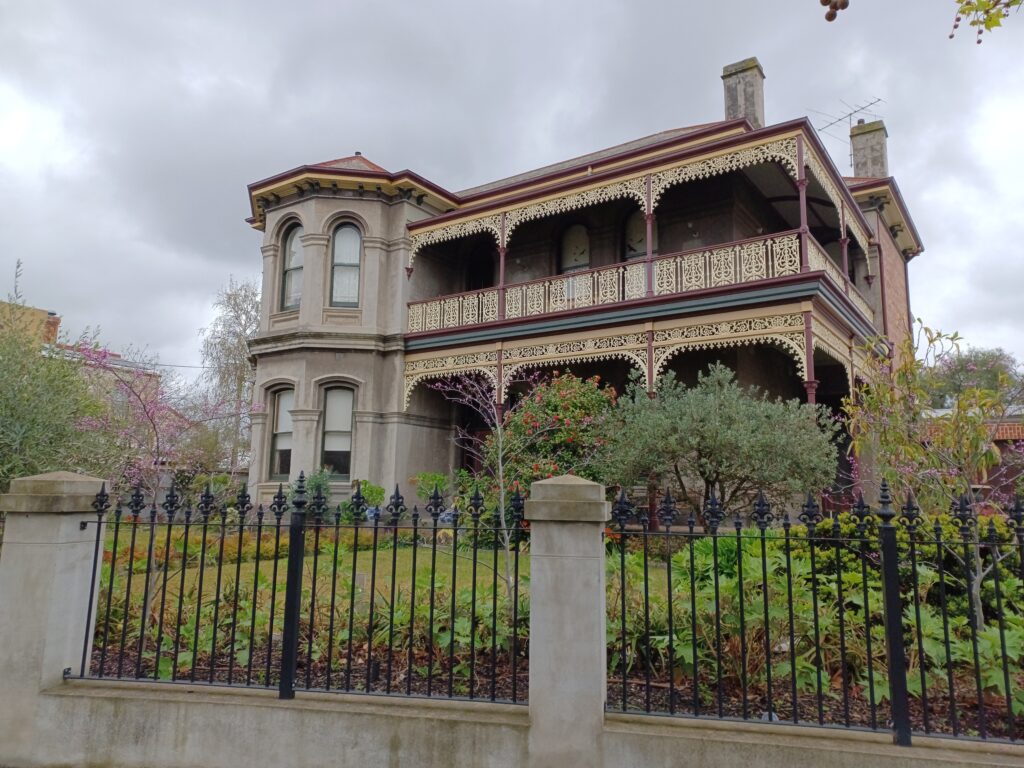
223 McKean St
A common theme in all these dwellings is the picturesque composition stemming from the asymmetric massing, the use of Italian architectural elements such as bracketed eaves, arched windows, keystone motifs, and the use of the wide verandah with ornate cast iron to provide relief from the summer sun.
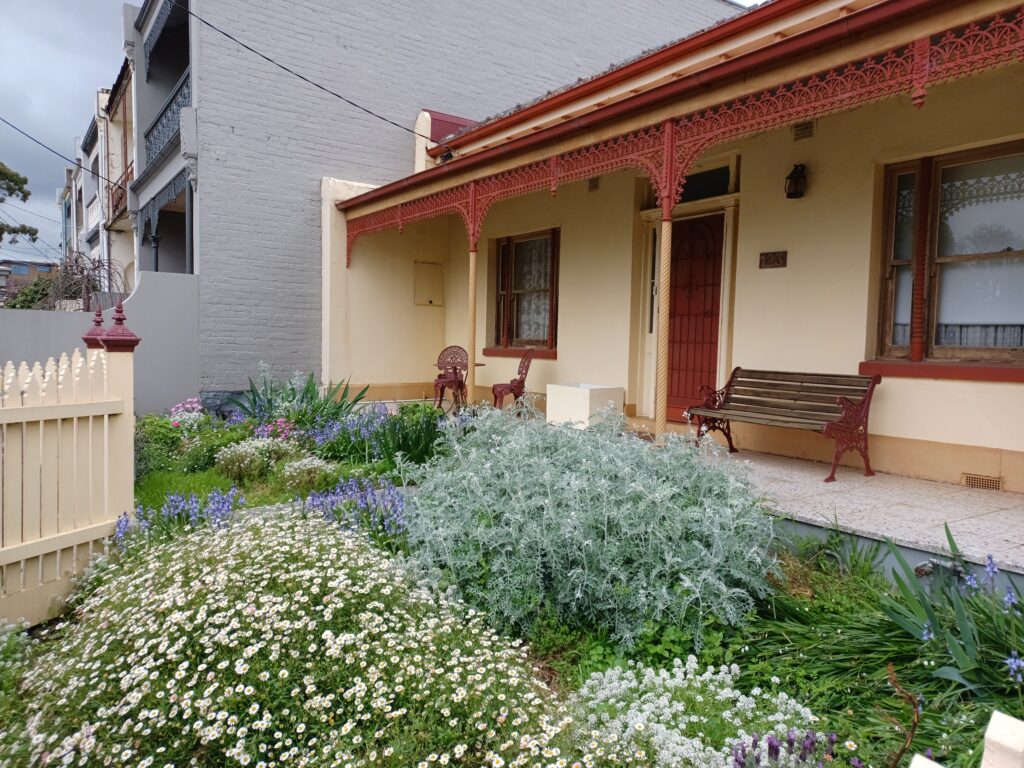
123 Alfred Cres
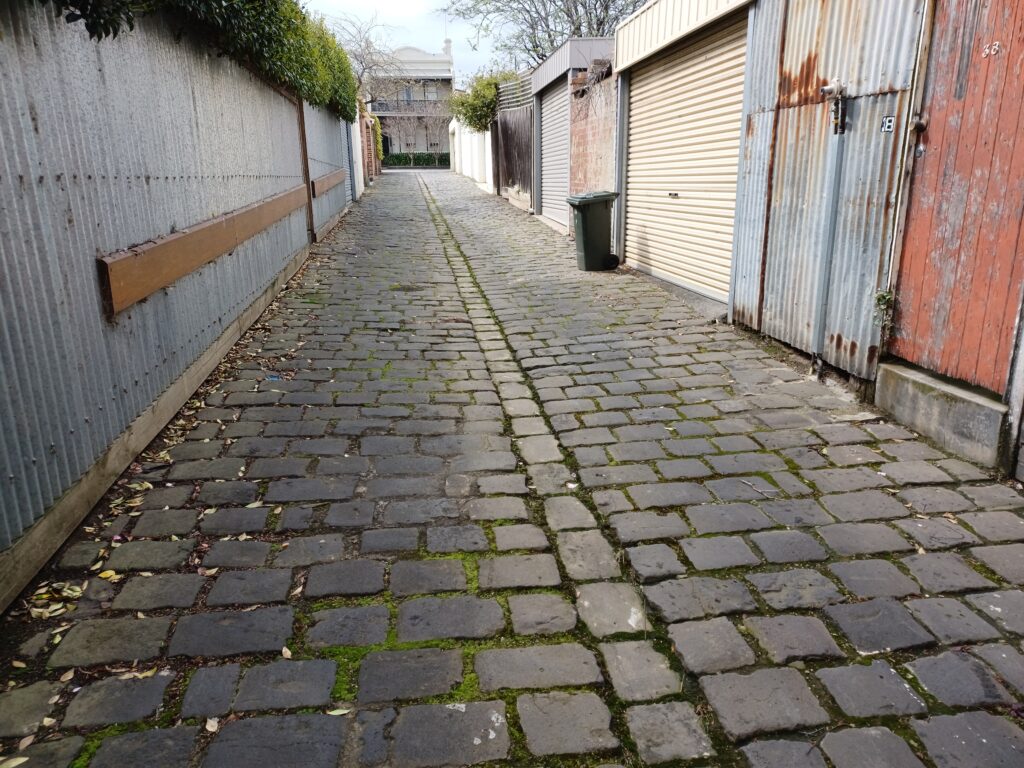
Even the back lanes have enormous character (off Alfred Cres)
I applaud all the homeowners in Fitzroy investing in their period homes, and I acknowledge the Fitzroy Historic Society and their Council for maintaining interest in their heritage.
Polychromy (coloured brickwork) was introduced as a building embellishment in the nineteenth century by English architect William Butterfield in his design for All Saints Church in Margaret Street, London. Even in 1851 it was a small city site for a church, and Butterfield evoked remarkable innovation to turn the site into the masterpiece it is today.
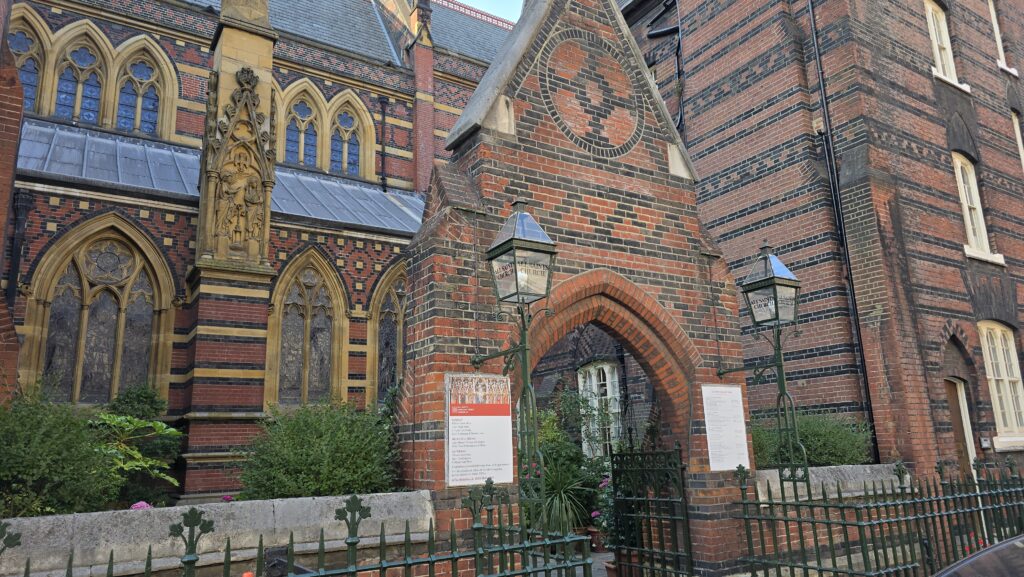
All Saints Church.
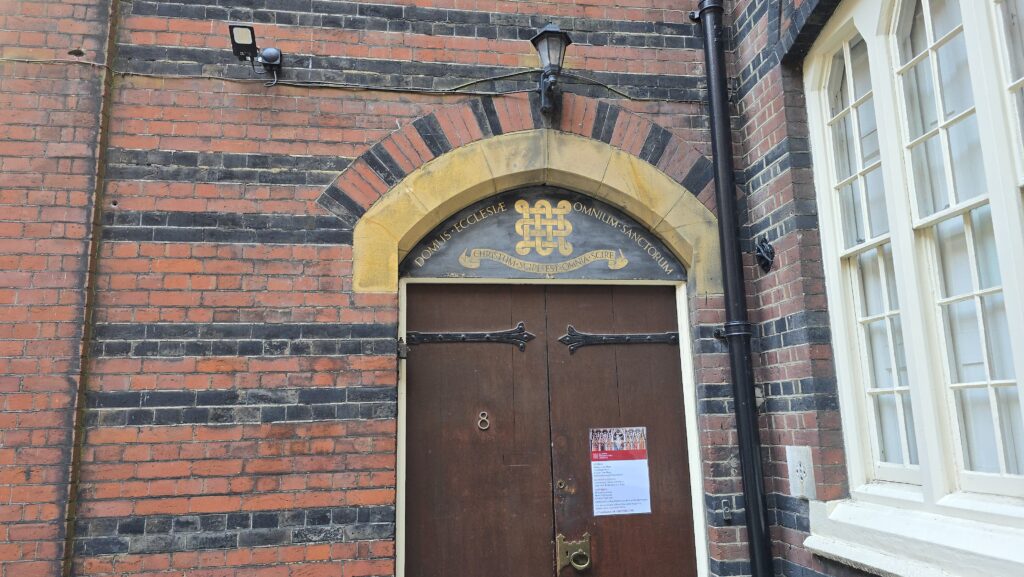
All Saints Church.
By choosing brick for All Saints Church, instead of the more traditional stonework, Butterfield gave a new dignity to brickwork. The exterior of All Saints employs red brick, heavily banded with dark brick such that ornament is integral with the structure.
All Saints is renowned today for its ‘structural polychrome’ where colour and pattern are inherent in the structure of the building. Following Butterfield’s lead, polychromy was widely adopted in Gothic Revival architecture in England after the 1850s. Its use in the Victorian Italianate style, however, is both unusual and relatively rare.