our Heritage Styles
Queen Anne
John Ruskin (1819–1900), the influential Victorian art critic and social thinker, criticised many aspects of the Italian Renaissance, as it represented for him a period of moral decline.
Concurrently, architect William Butterfield explored the effects of multi-coloured brickwork in a new and beautiful way at All Saints Church (largely completed in 1852, consecrated in 1859) in Margaret St, London.
Consequently, by the 1860s artists and architects in England experienced a new freedom to explore and express English identity in new ways.
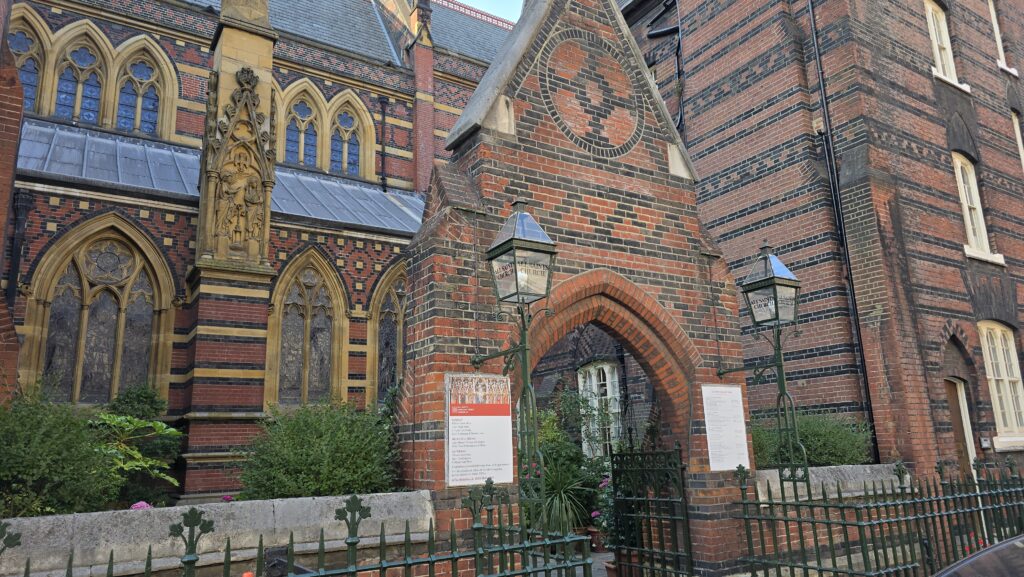
Ruskin argued that architecture should:
- Express truth in materials and construction.
- Celebrate craftsmanship rather than machine production.
- Draw inspiration from historical traditions, particularly those where the craftsman involved contributed to the design of the structure, as was the case in medieval
times.
These ideas inspired a generation of British architects (during 1860s to 1890s) who were
dissatisfied with classical architecture and sought a new way to demonstrate the national English spirit.
By the 1870s, architects such as Richard Norman Shaw developed a unique style that embodied these values without copying medieval gothic forms directly. Some referred to this style as being English Domestic Revival but has become known as the Queen Anne style. There has been much discussion about the appropriateness of this name, a revival domestic architecture that combined historical inspiration with vernacular traditions, craftsmanship, and asymmetrical composition.
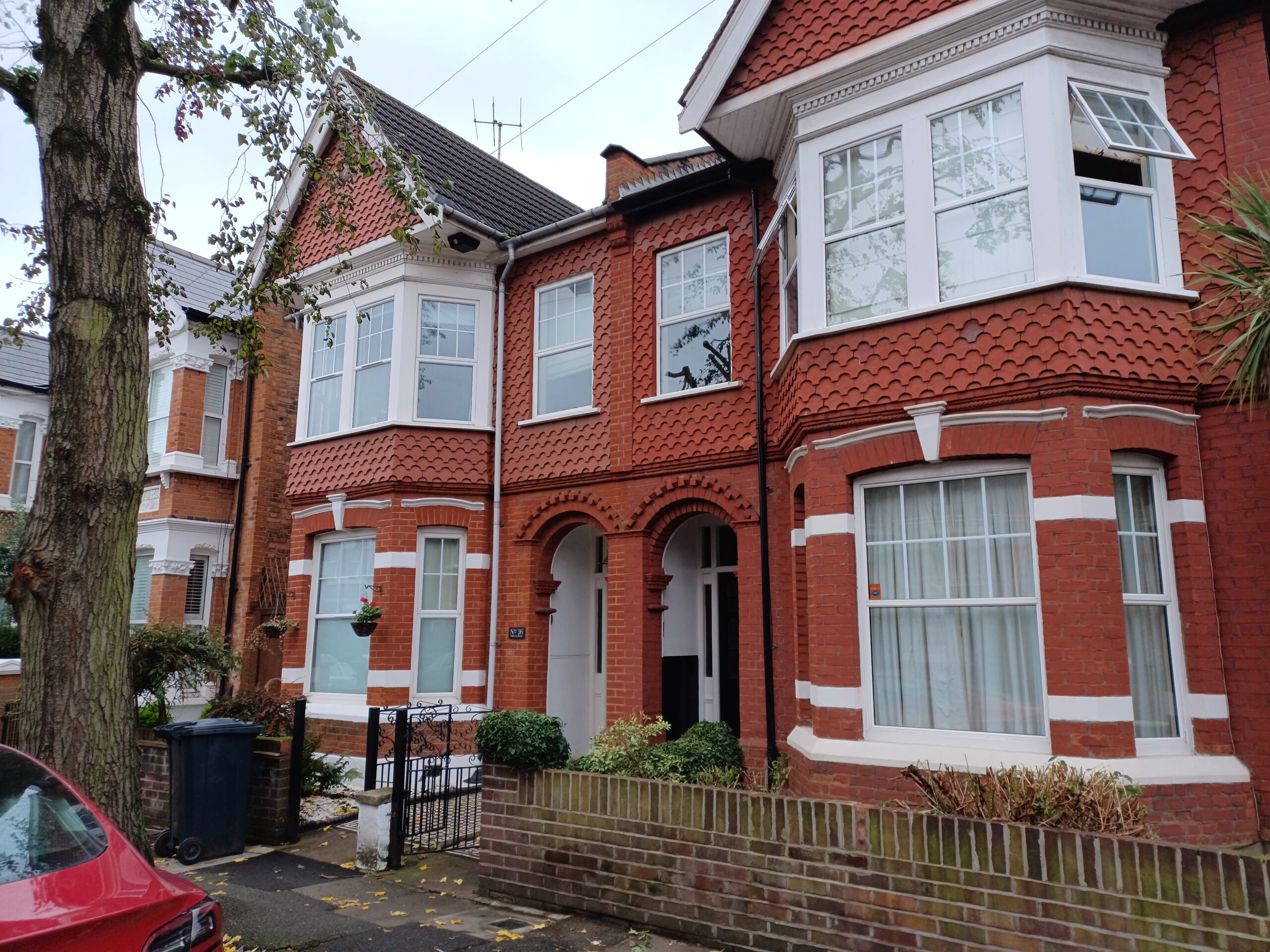
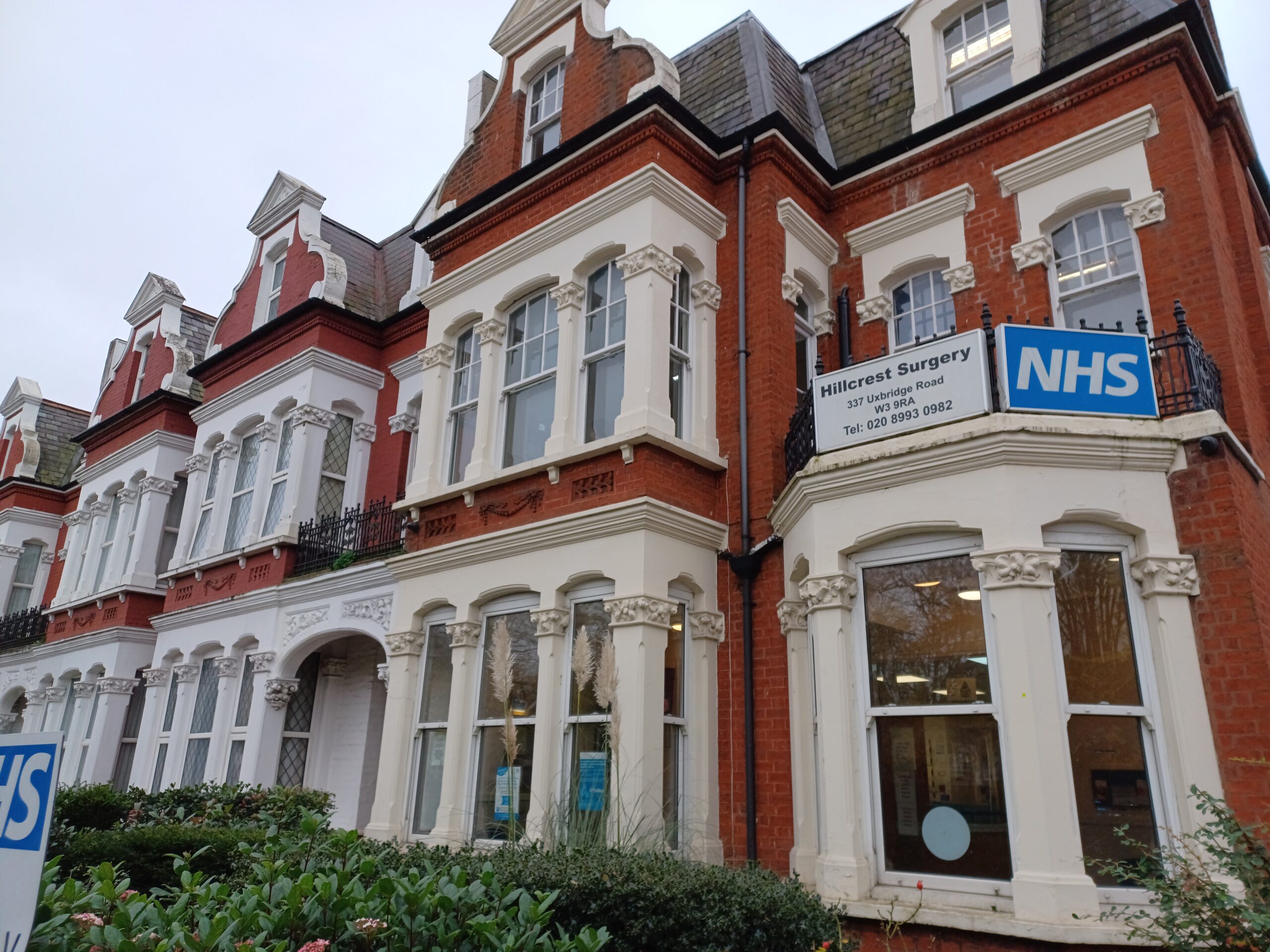
While the first suburban setting for the Queen Anne style was Bedford Park in London, the later surrounding suburbs of Ealing and Stamford Park show extraordinary examples of the evolution from Italianate to the Queen Anne style depicted by builder-developers, seen below.
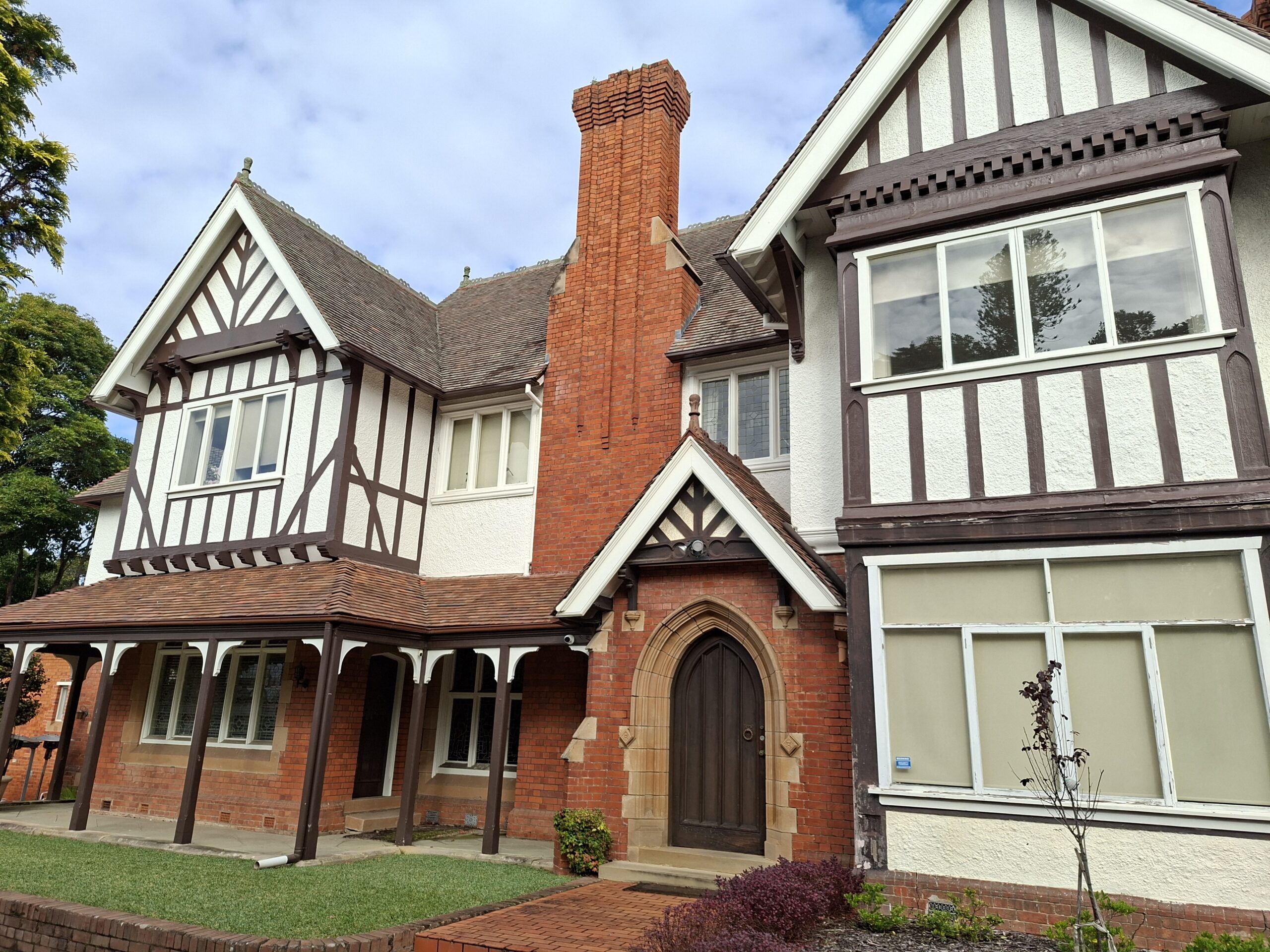
One of the earliest demonstrations of this house style in Australia is ‘West Maling’ on King Georges Road, Penshurst, New South Wales. West Maling was built in 1889 for Albert Bythesea Weigall, a former Headmaster of Sydney Grammar School. The style is closely aligned to the dwellings in the London suburb of Bedford Park.
After the financial depression in 1894, new houses in the Australian suburbs were inspired by the Queen Anne styling in England. The Art Critic, Bernard Smith, coined the term ‘Federation’ in 1969 to distinguish this house style because it occurred during the Federation period in Australia (The Federation event occurred on 1 January 1901). Other historians such as George Tibbits dismissed the Federation nomenclature.
Below is West Maling (1889).
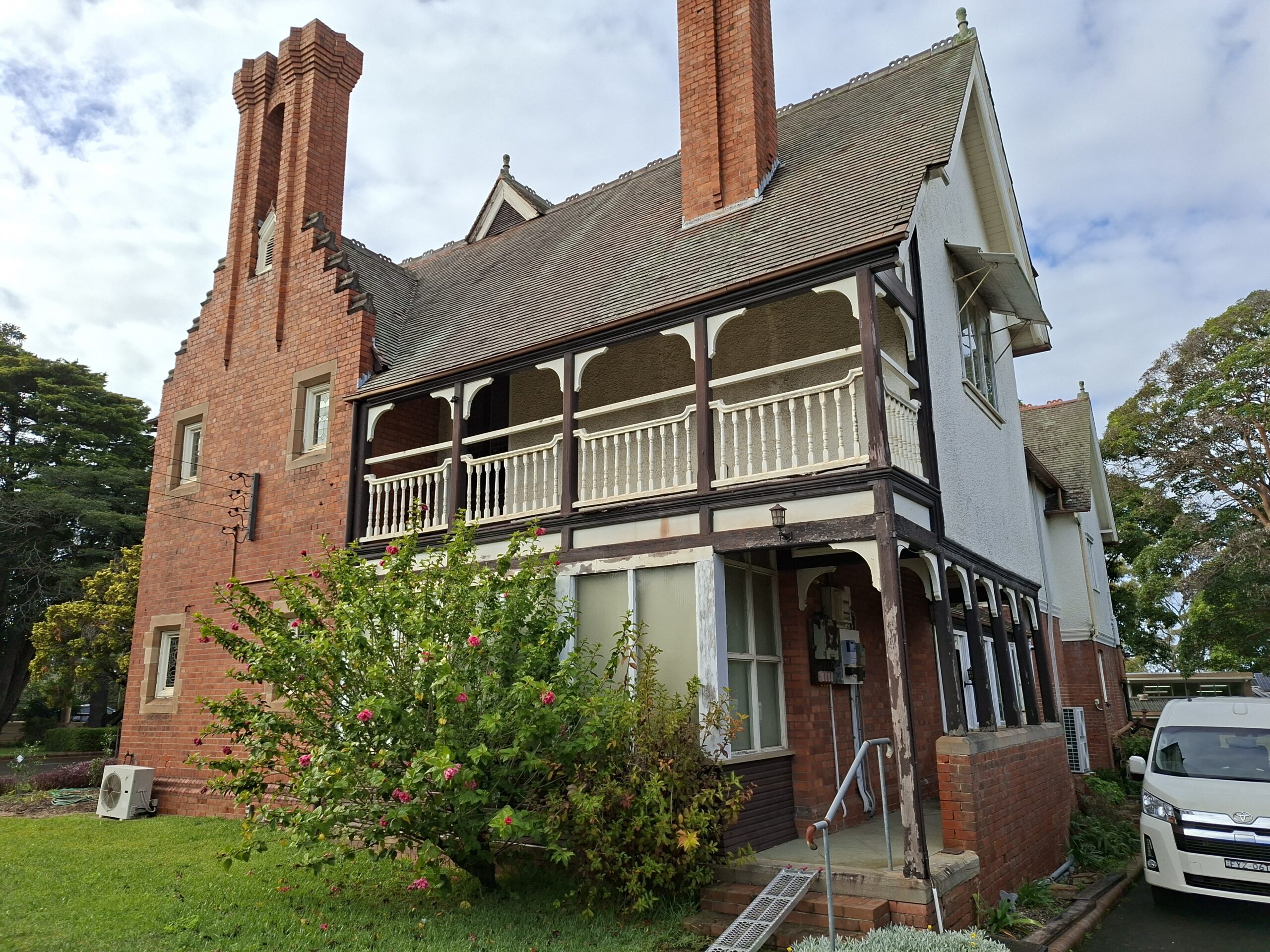
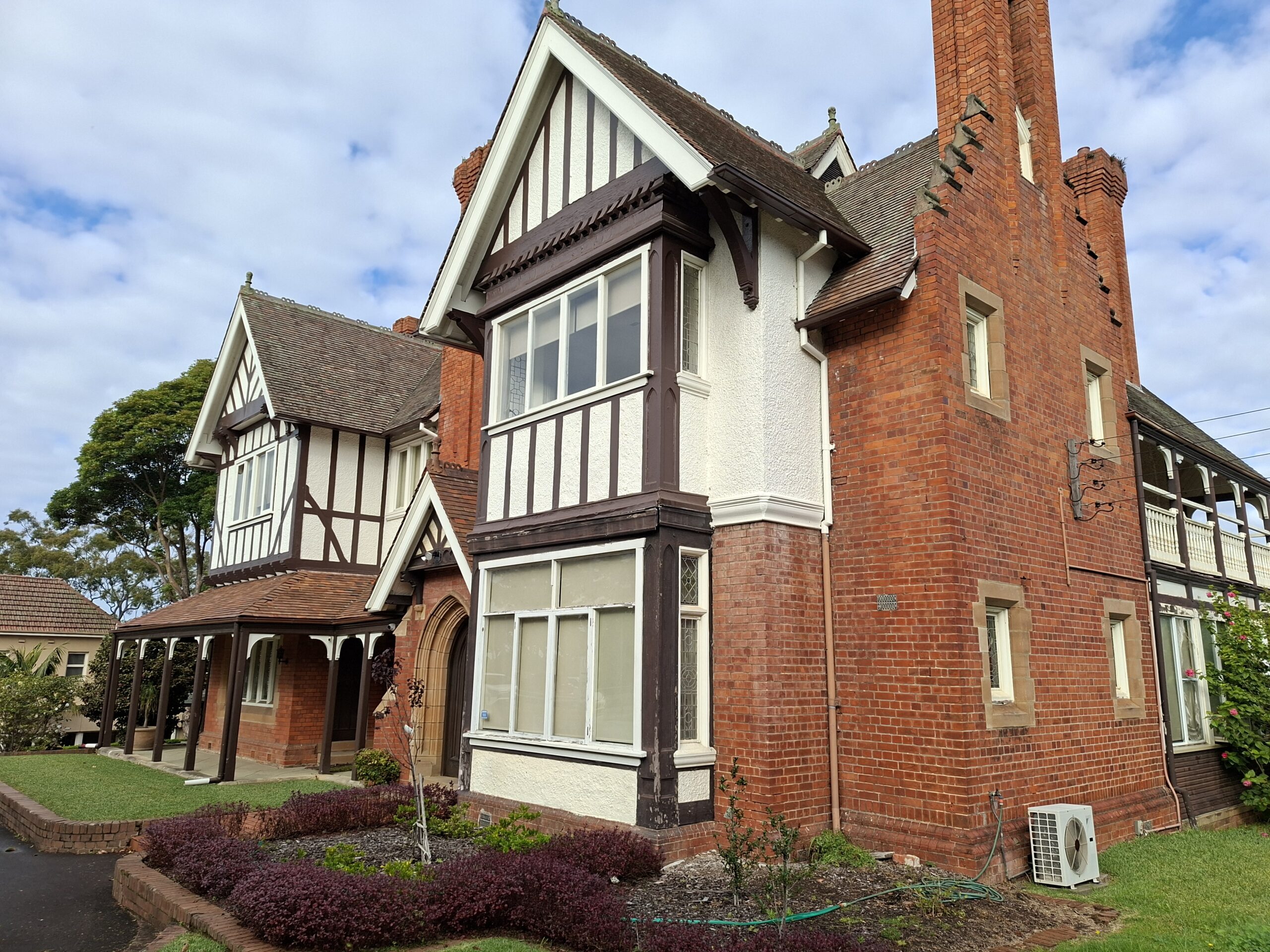
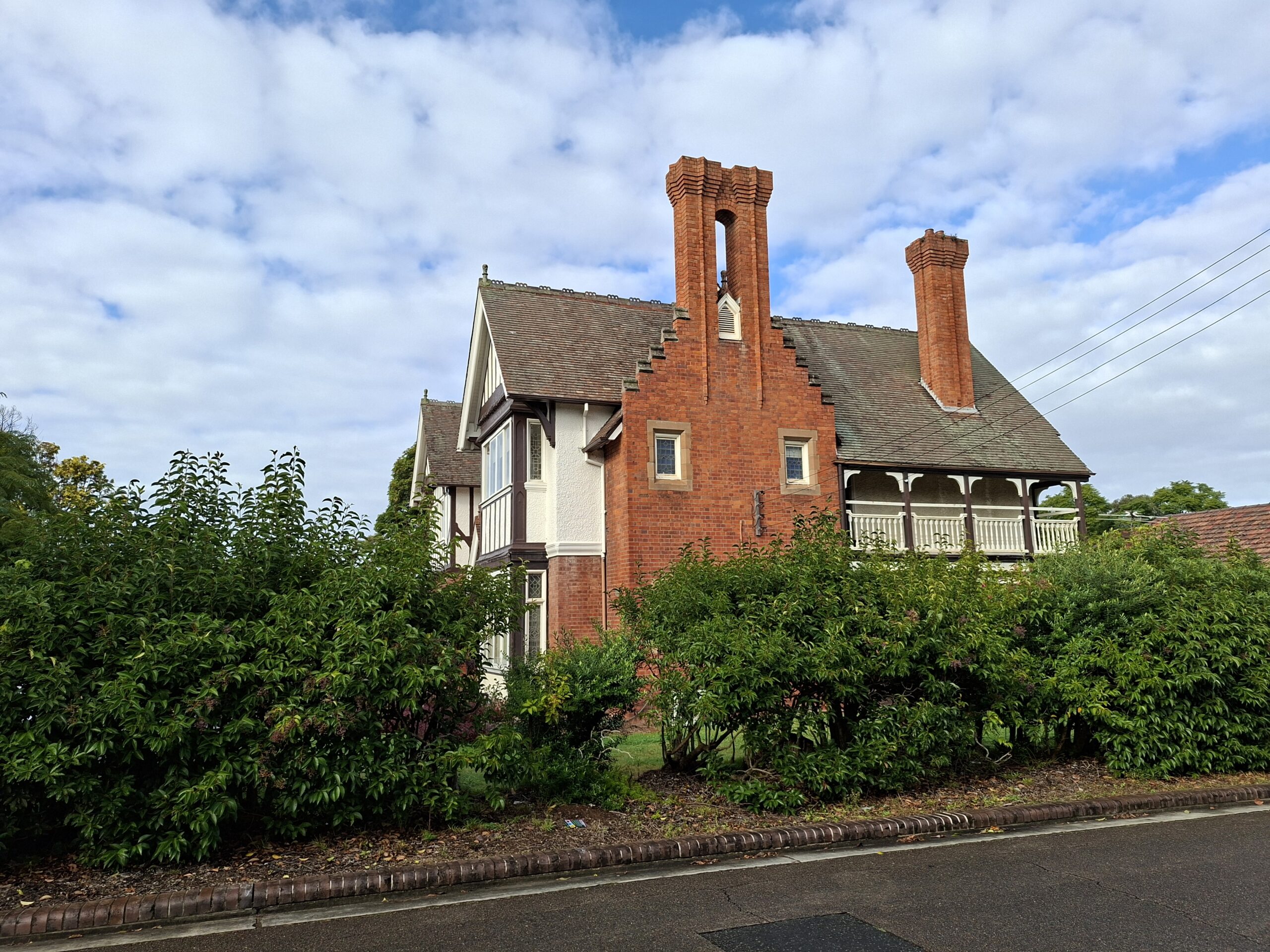
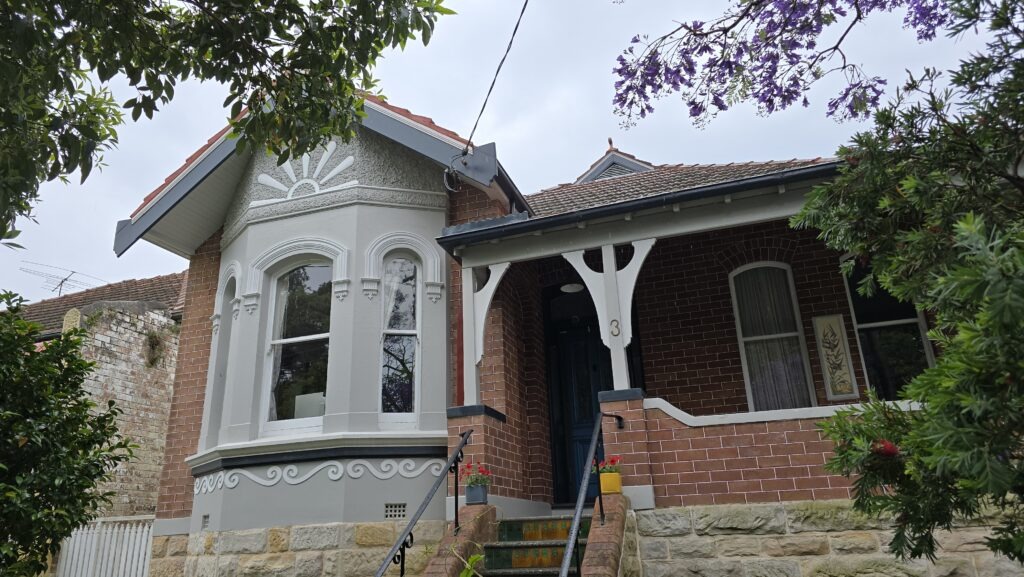
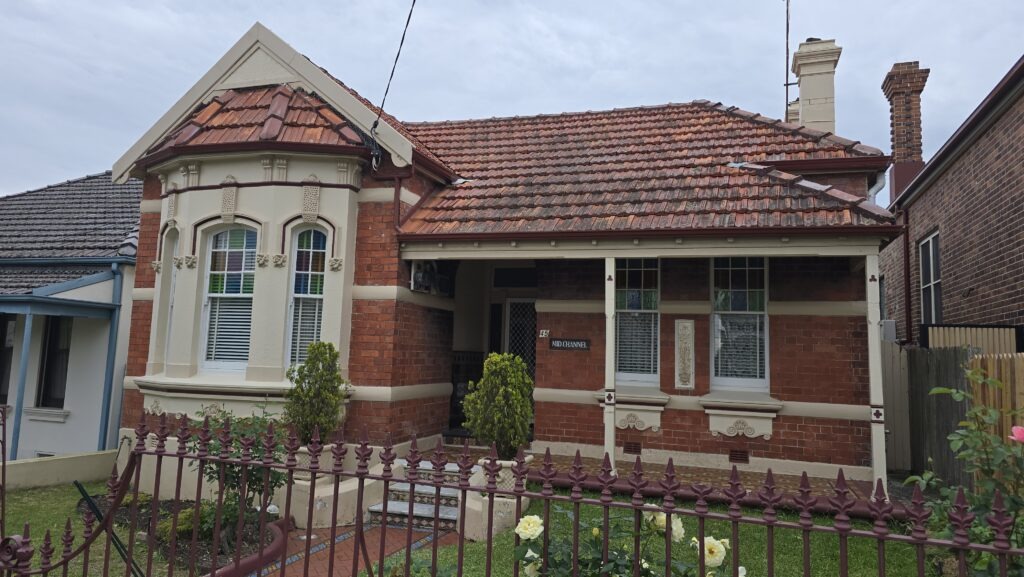
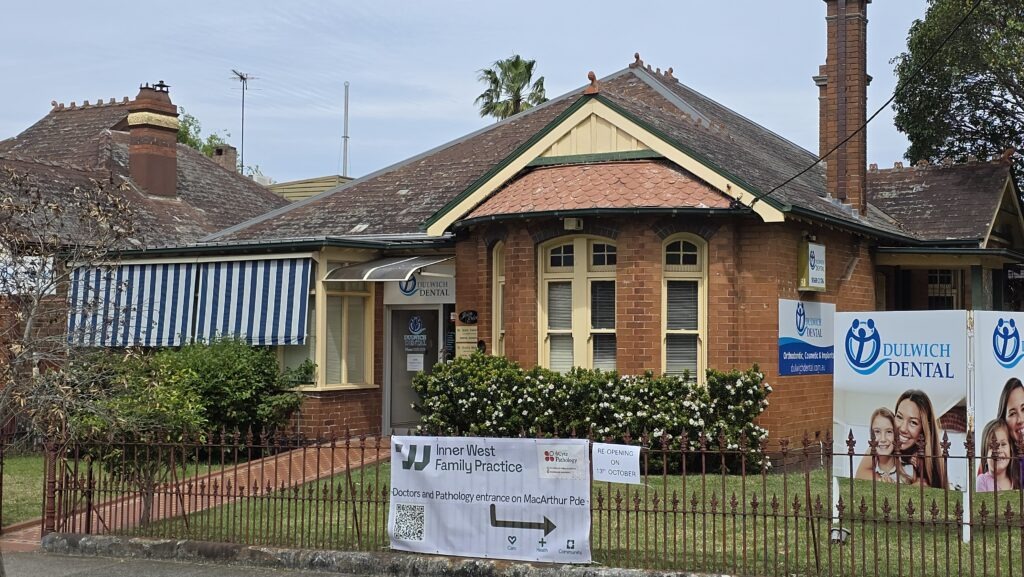
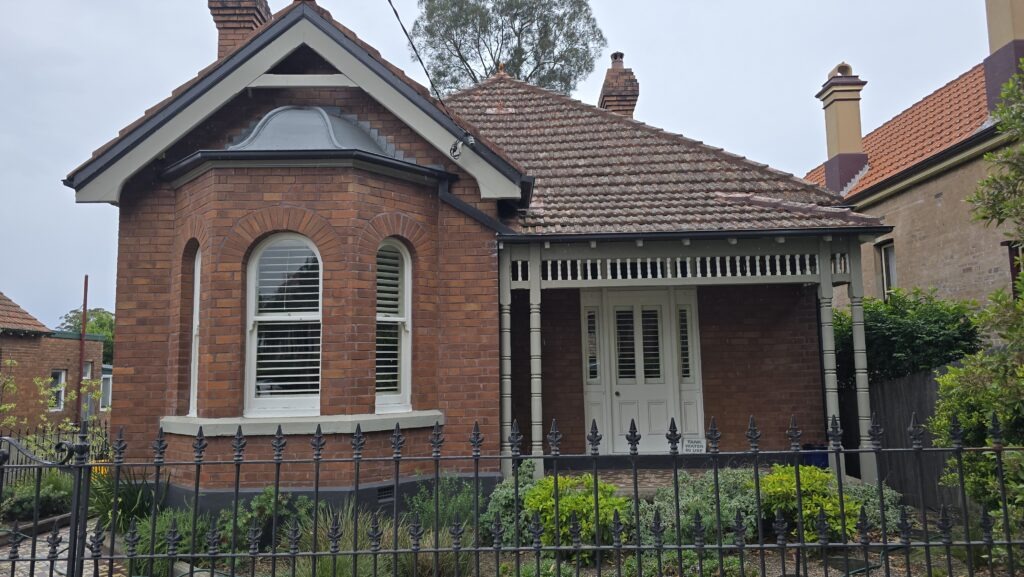
As building recommenced in Australia after the 1894 depression, architects and speculative builders picked up on this new architectural fashion. Here are some examples of houses in Sydney highlighting the transition between the Victorian Italianate and the new Queen Anne style.