our Heritage Styles
Victorian Italianate
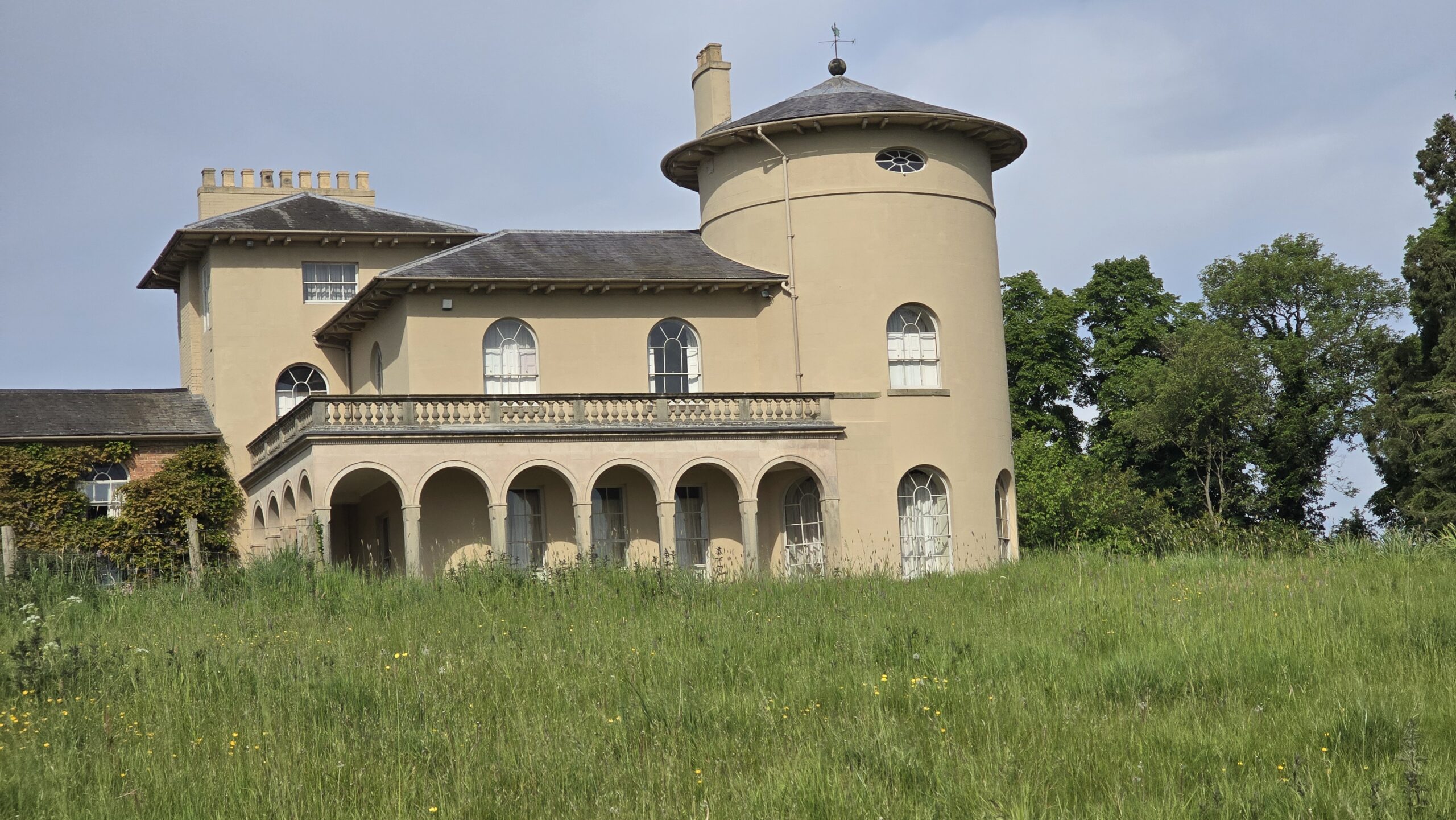
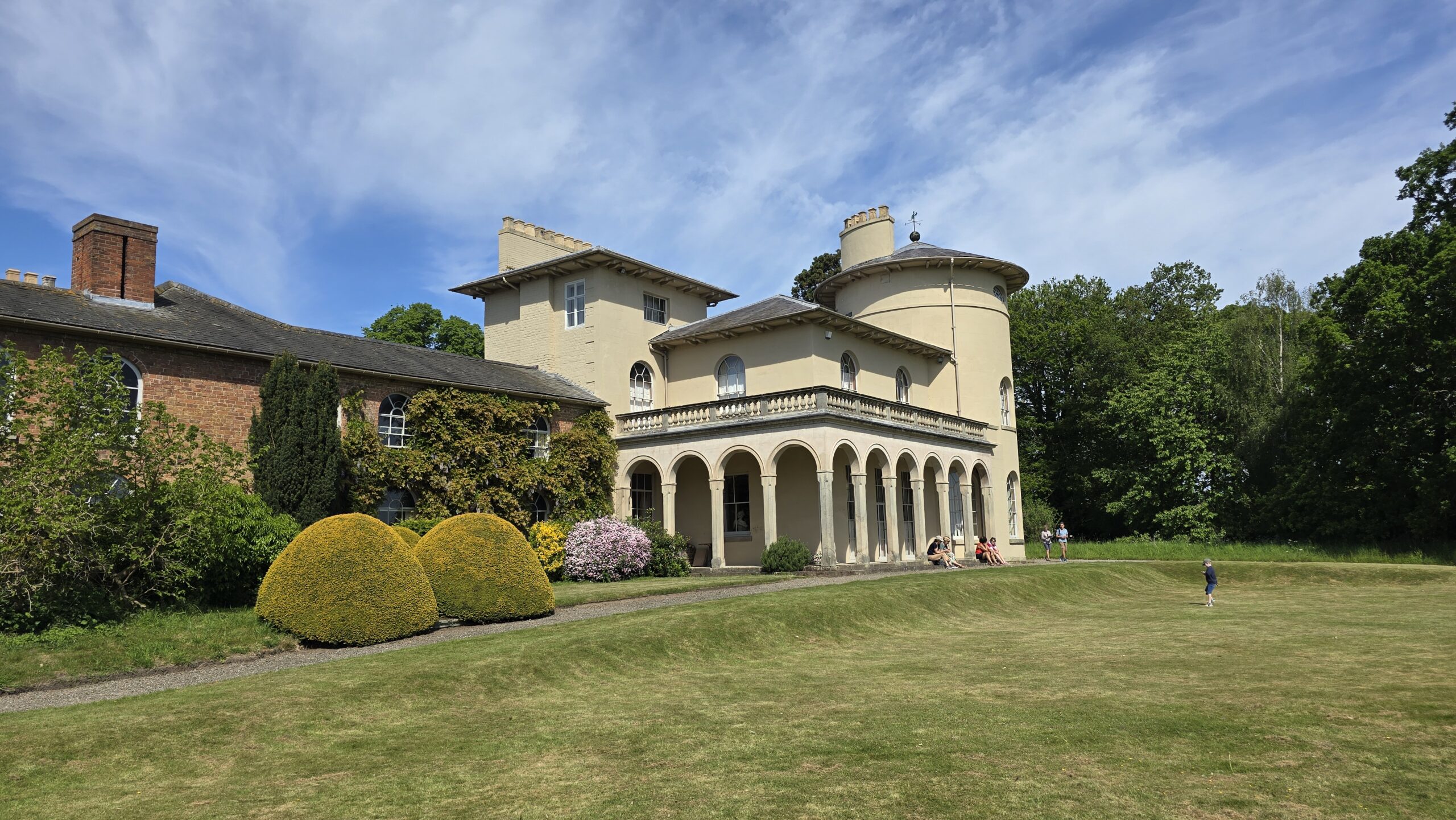
The Victorian Italianate style was first conceived as a picturesque composition with Italian architectural motifs. It was first implemented by architect John Nash, with his landscape partner, Humphrey Repton at Cronkhill in 1805.
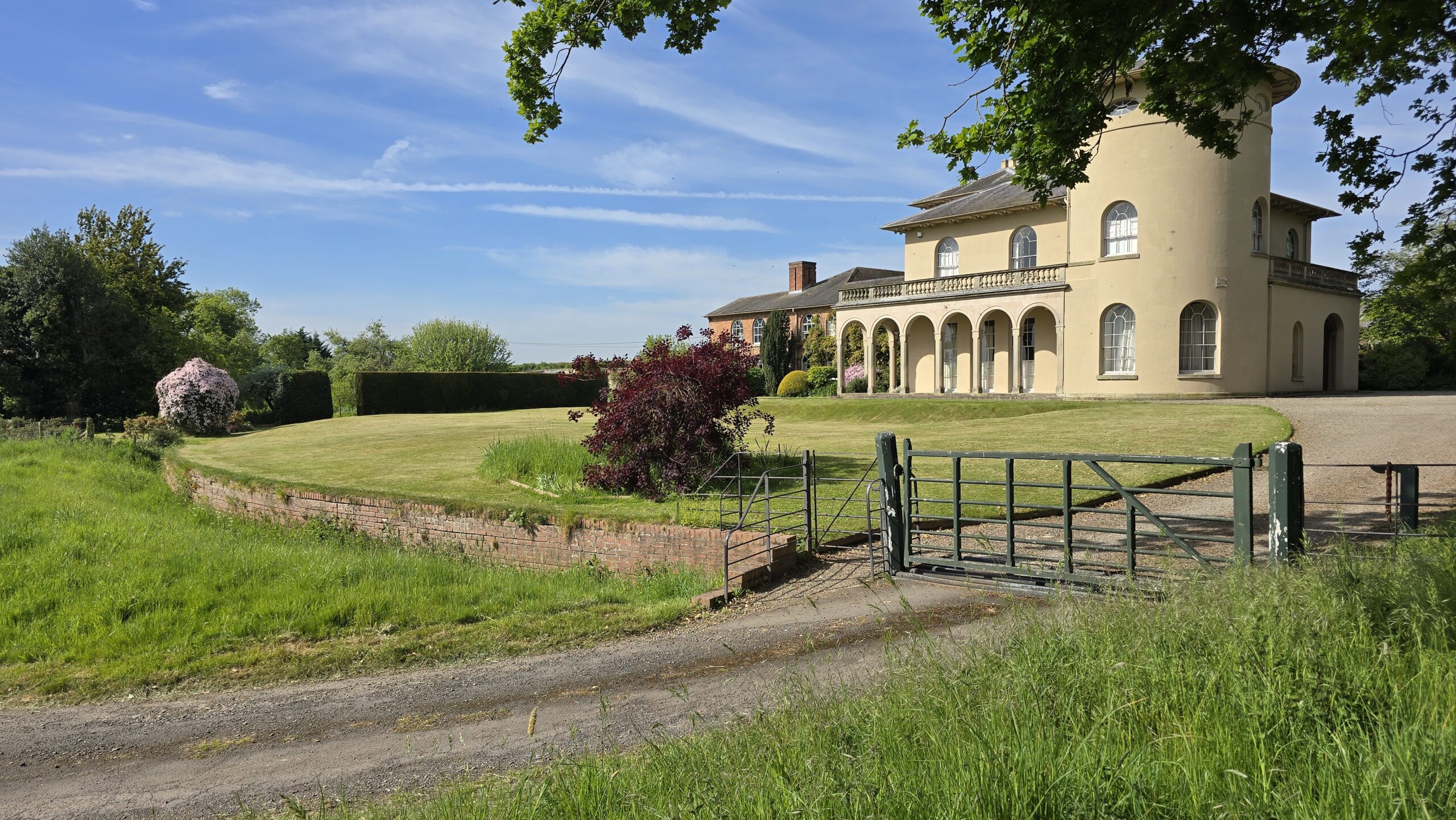
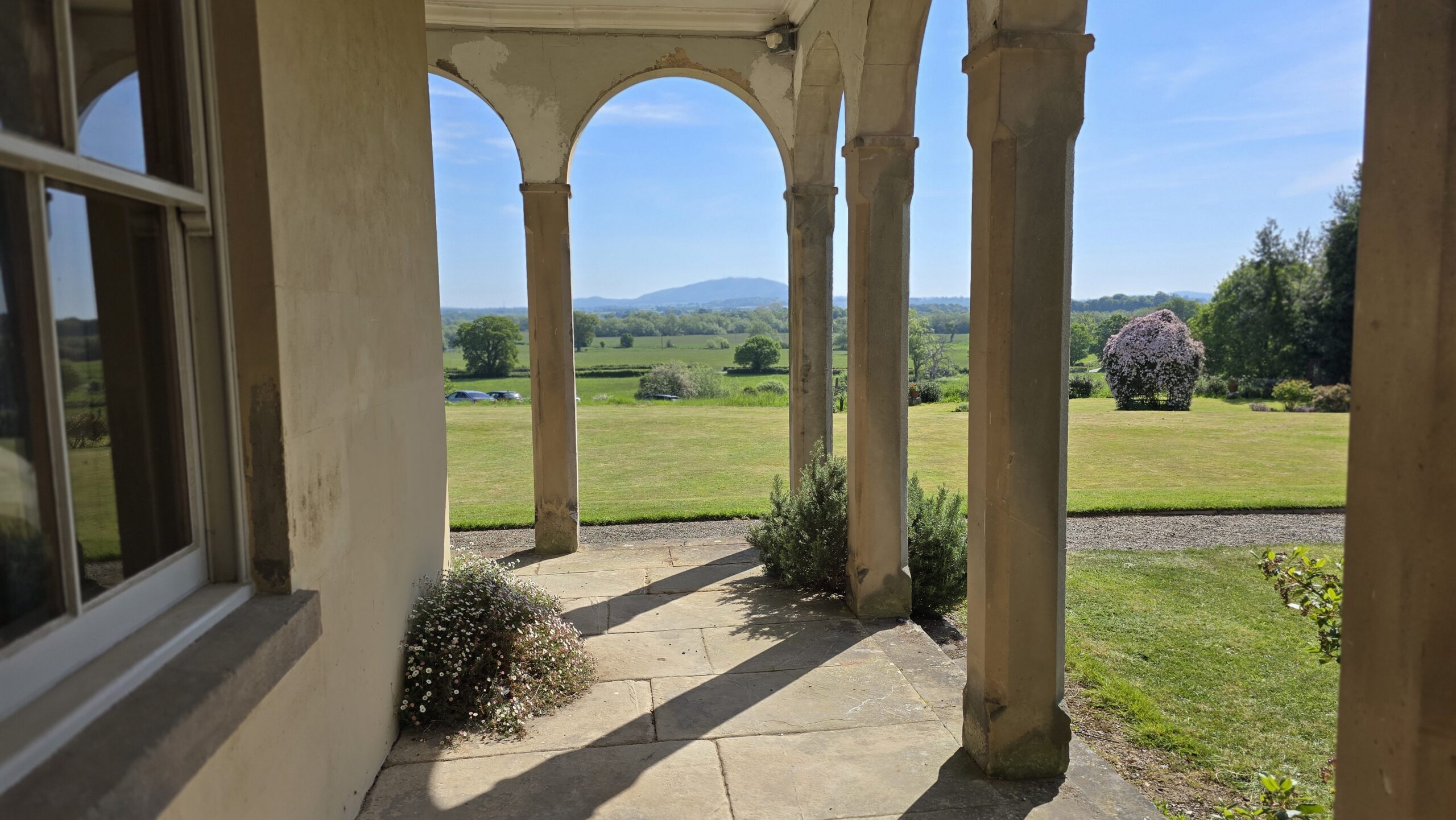
Nash and Repton drew together ideas of the picturesque when setting a building within its landscape in a pleasing visual way. The aesthetics of the “picturesque” movement had been initiated by Rev William Gilpin and further refined by the arbiters of taste, Sir Uvedale Price and Richard Payne Knight in their respective publications of 1795.
In developing his guidelines for the picturesque, Gilpin was influenced by Italian landscape paintings, such as those by Claude Lorrain, who showed Italian ruins in stunning landscape settings. The “picturesque” was designed aroused feelings of curiosity and interest in the viewer.
Cronkhill showcases a genuine interest many in England had in Italian culture and fashion, and is part of a series of country houses by Nash before he moved to London.
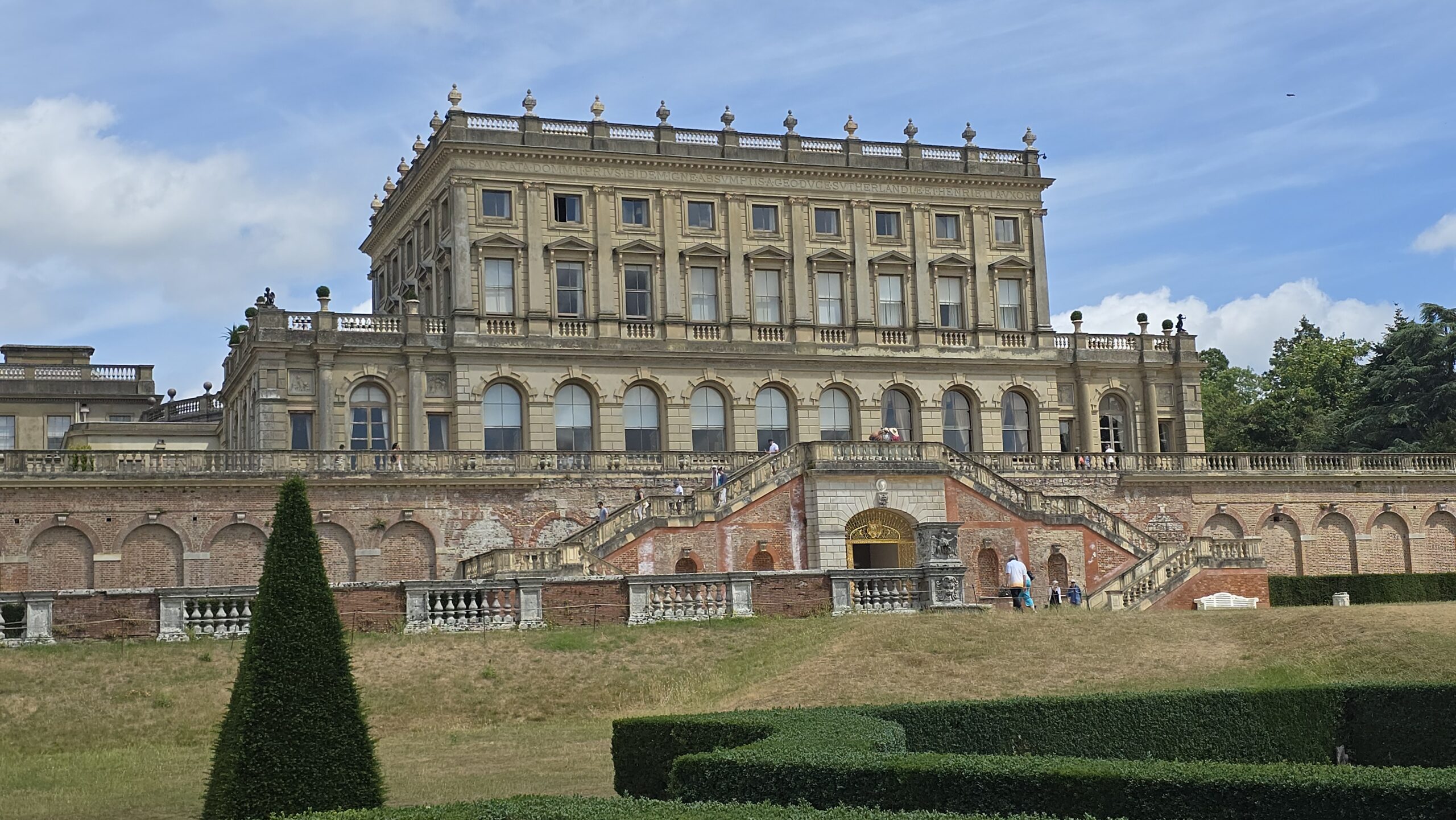
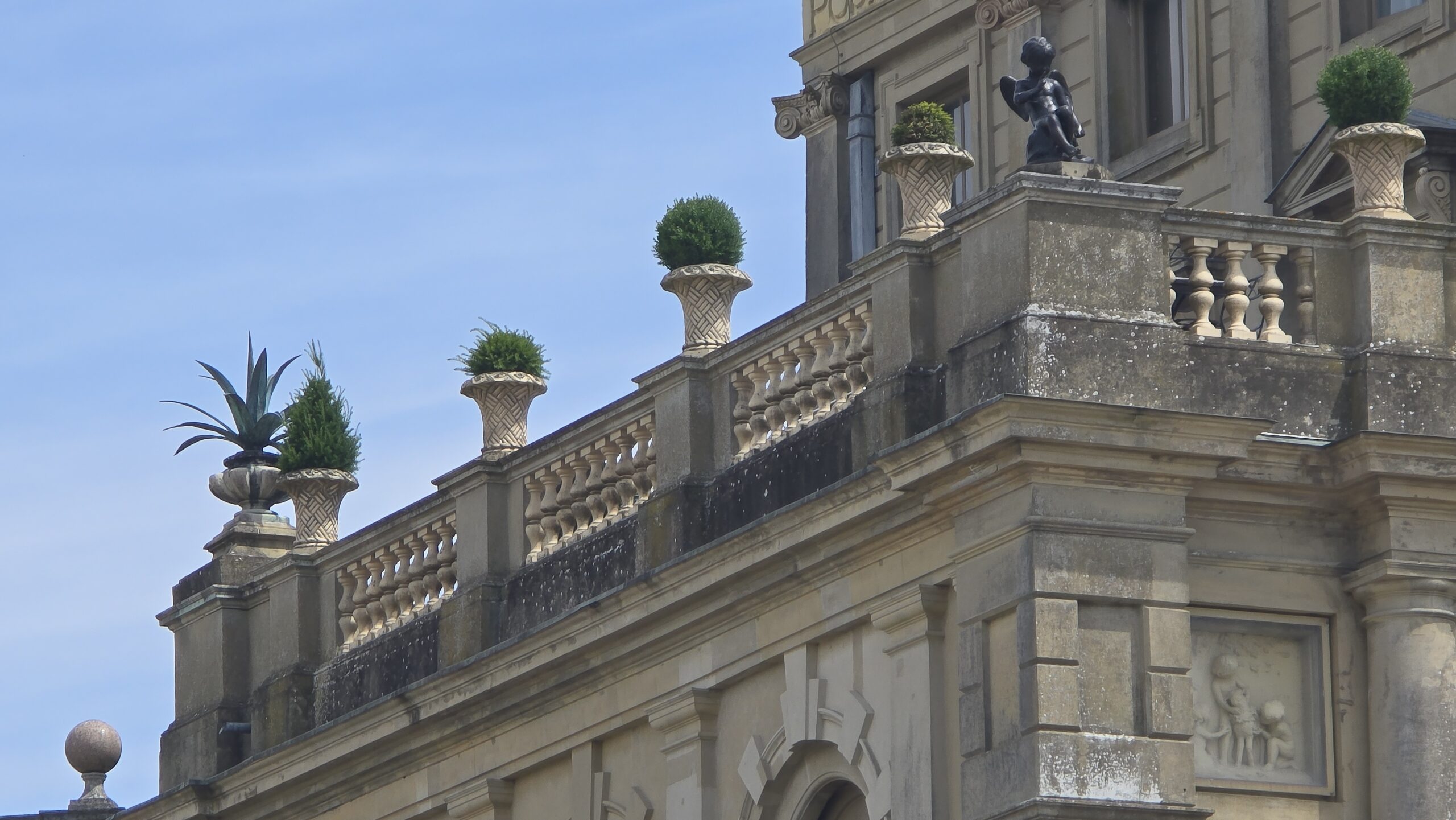
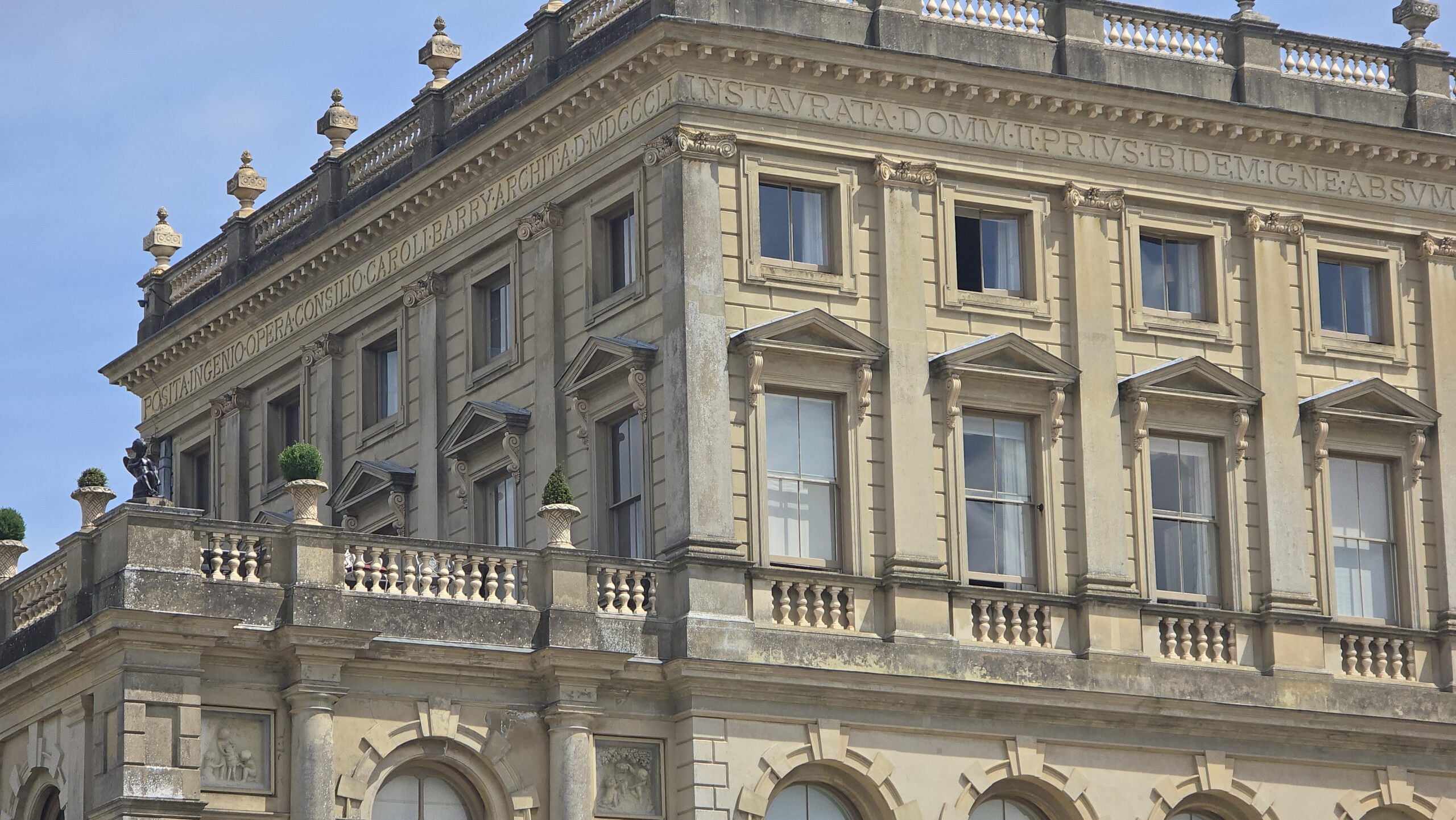
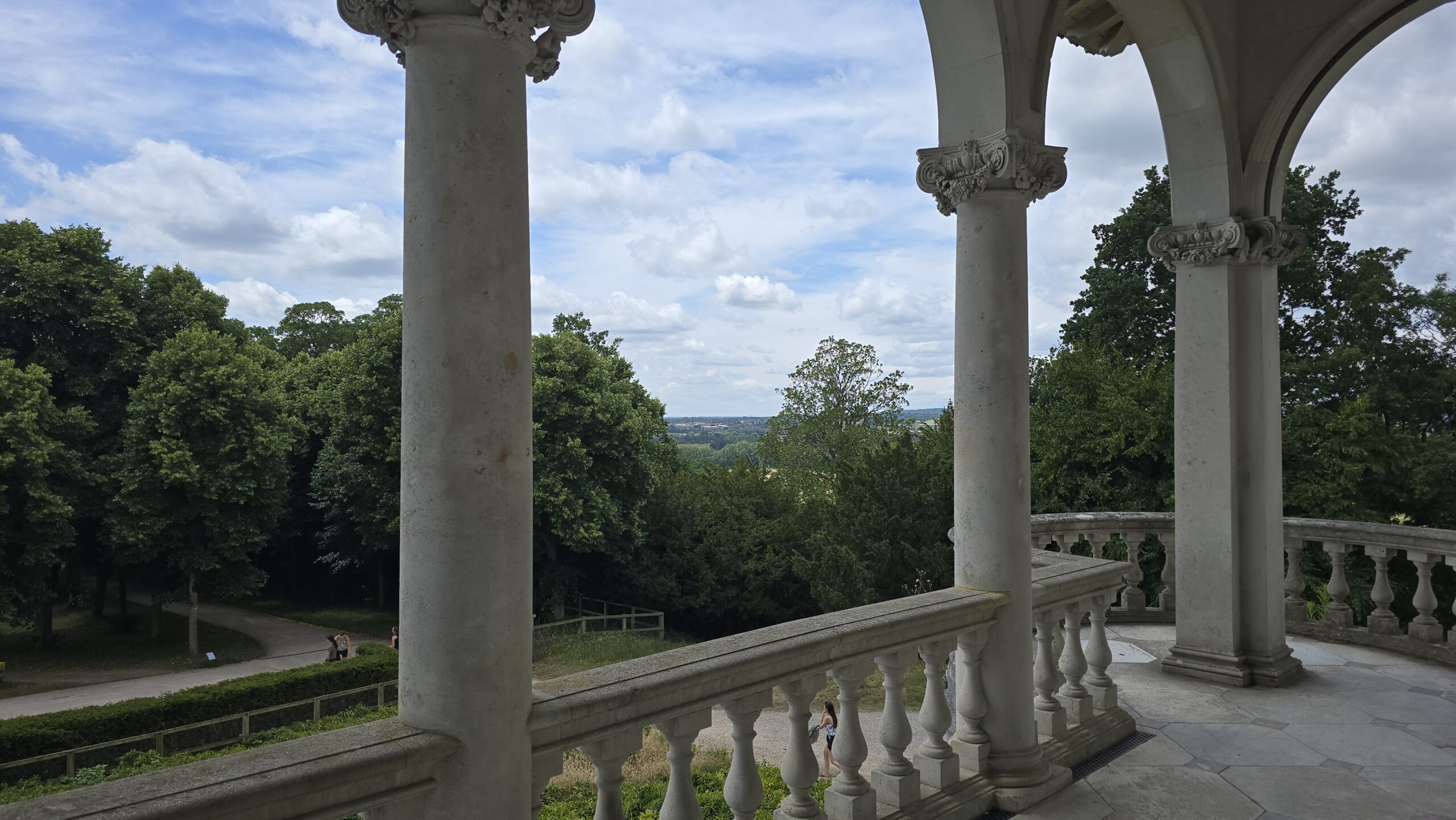
The architect Charles Barry also brought his of a love of refinement he himself experienced when visiting Italy as a young man. Cliveden Manor built for the 2nd Duke of Sutherland in 1851, is another beautiful example of the Italianate, albeit in Barry’s own interpretation.
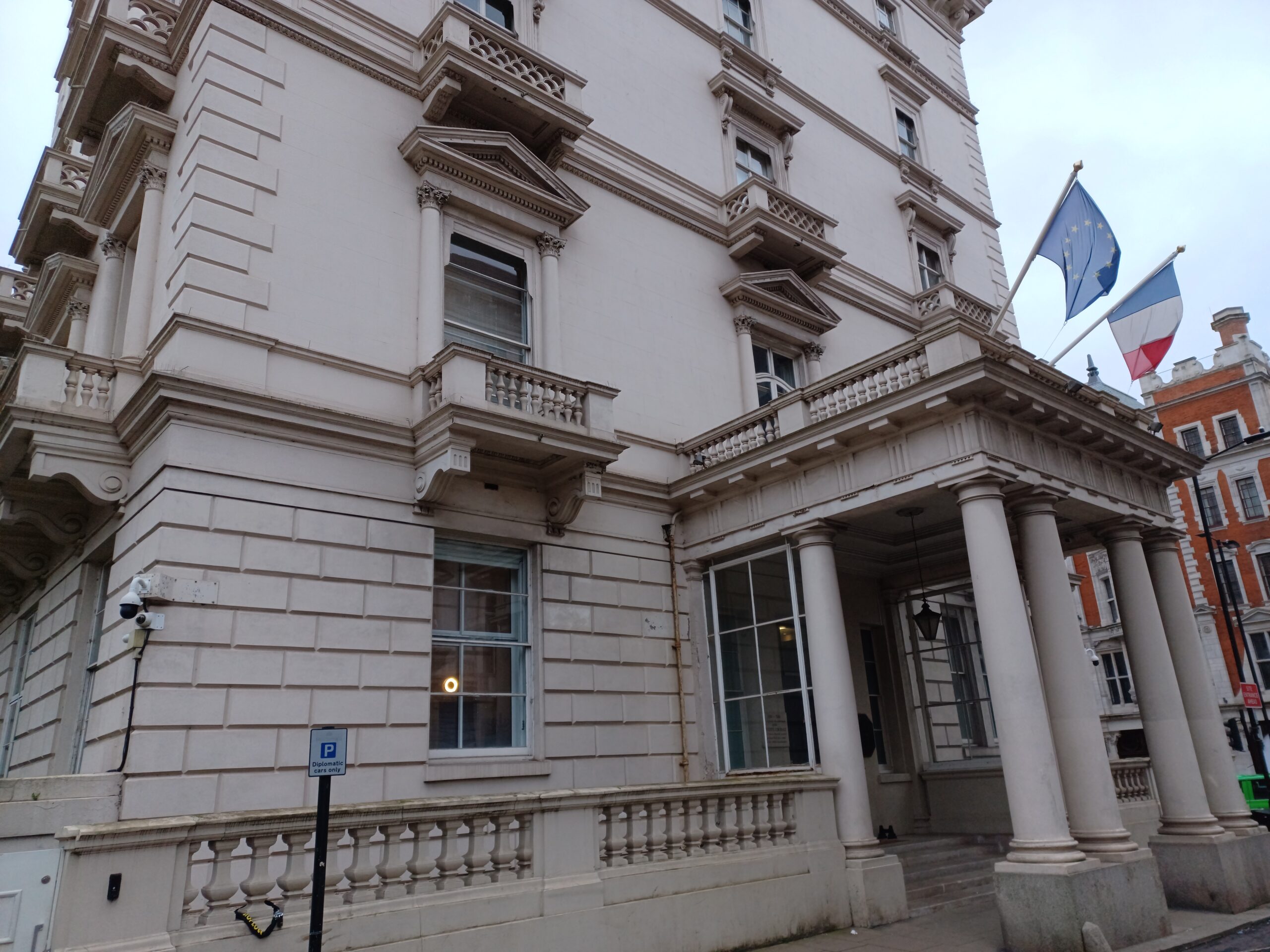
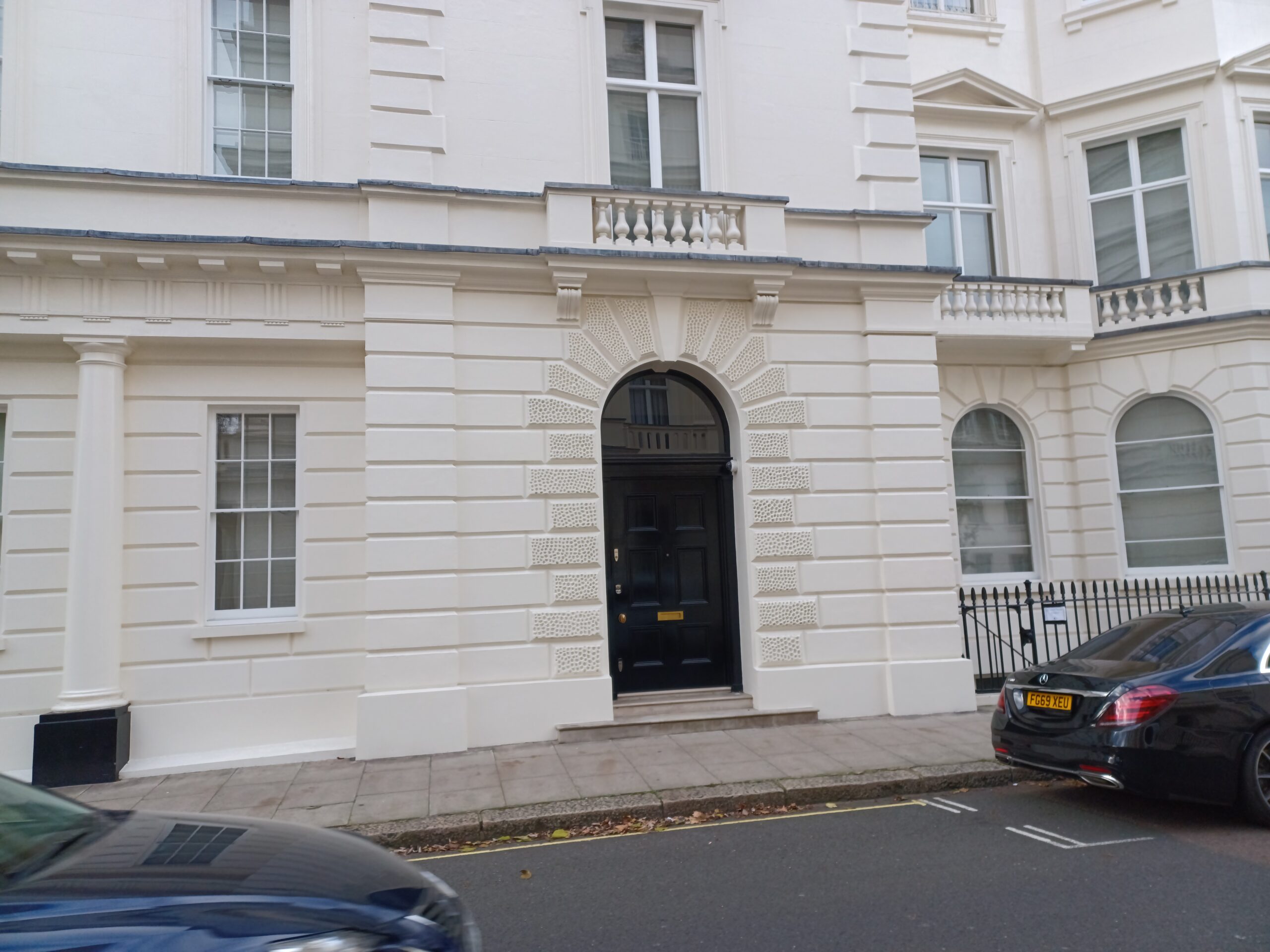
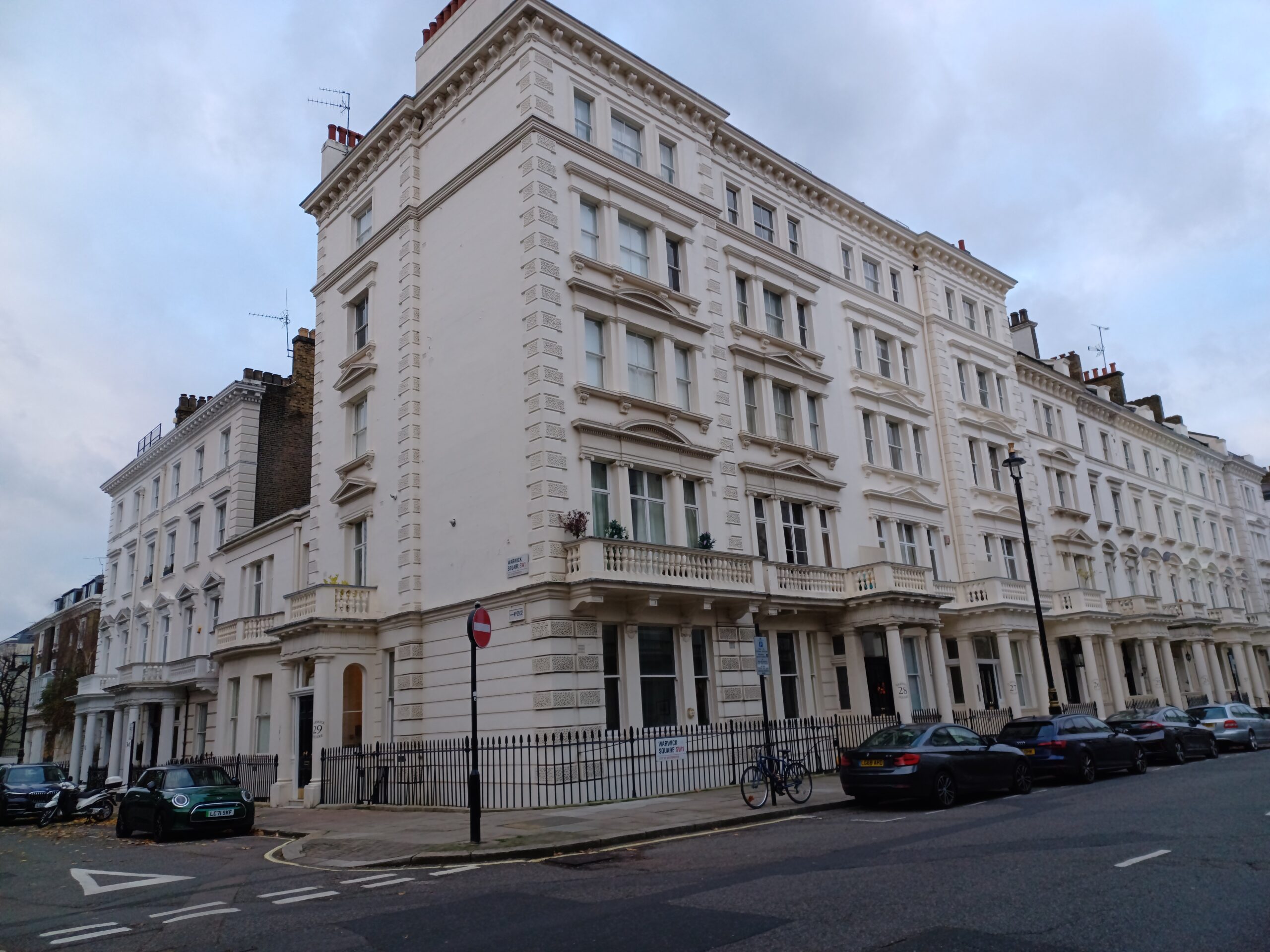
When new suburbs were being built in London in the period 1820 through to the 1850s, the style chosen by builder-developers was that influenced by John Nash’s recent work at Regents Park. The dwellings in Belgravia and Pimlico are Regency-inspired Italianate.
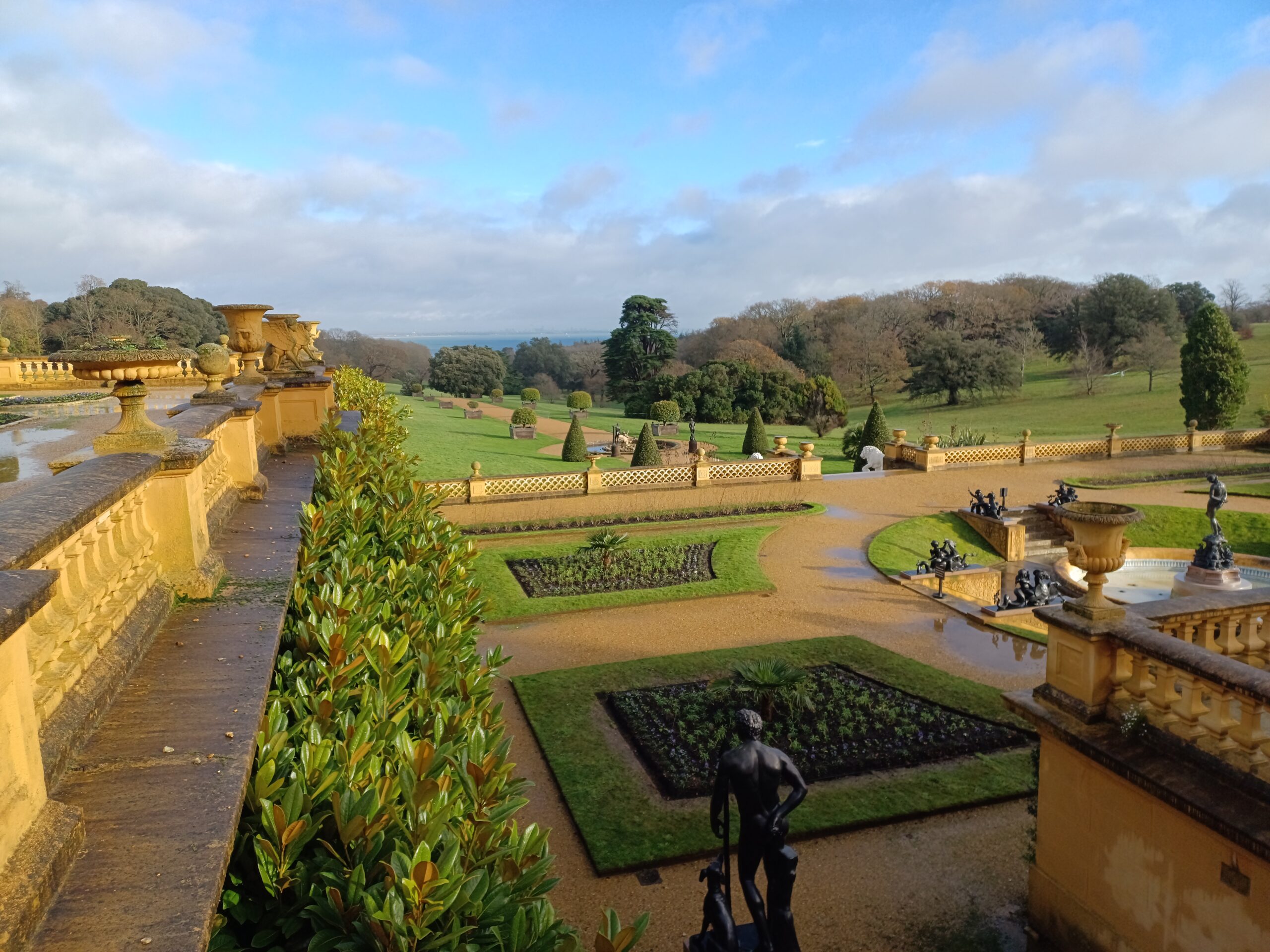
When Queen Victoria and Prince Albert built their own summer house on the Isle of Wight, the style they chose for their very own house was also the Italianate style. Osborne House was built between 1845 and 1851.
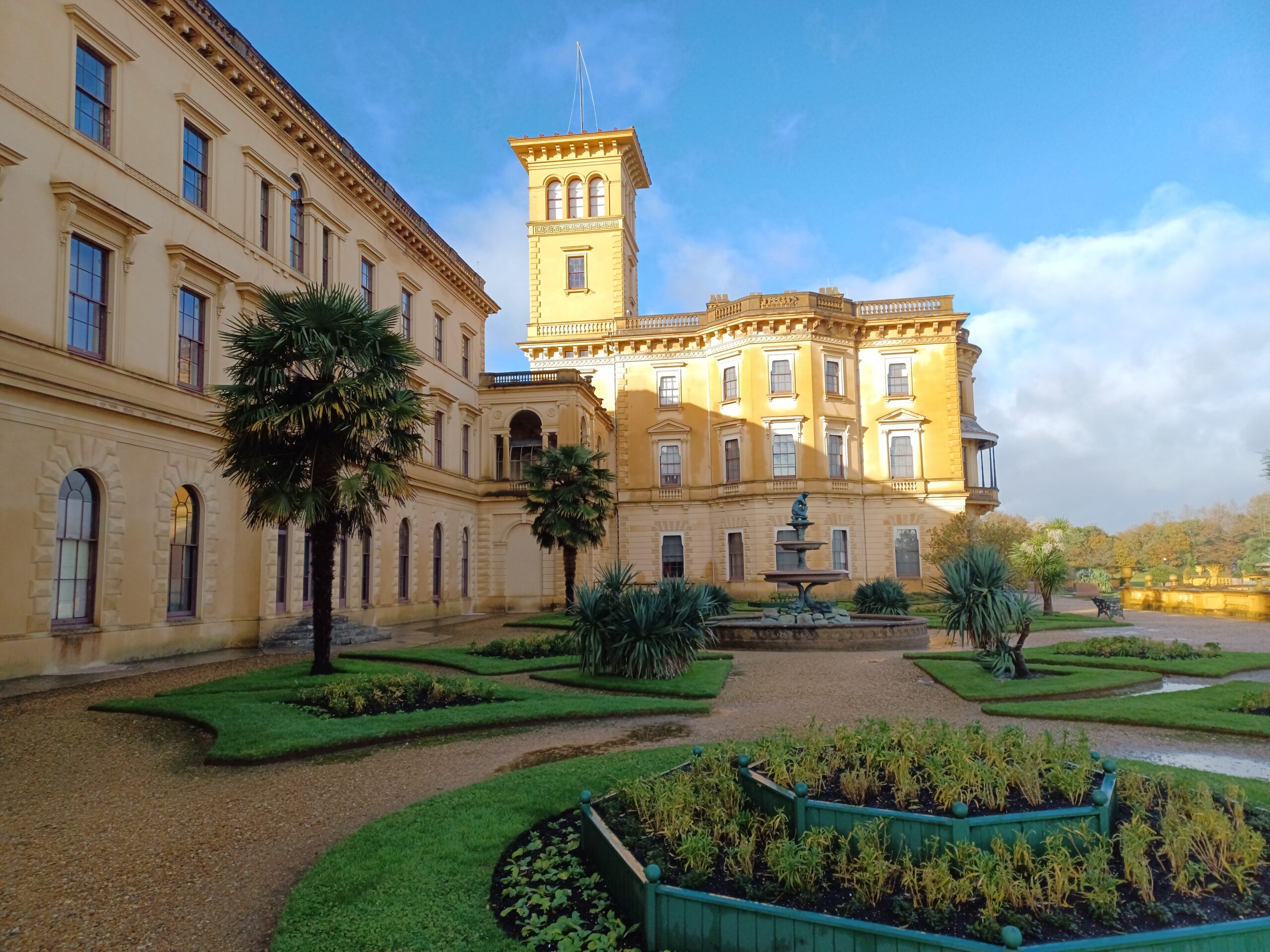
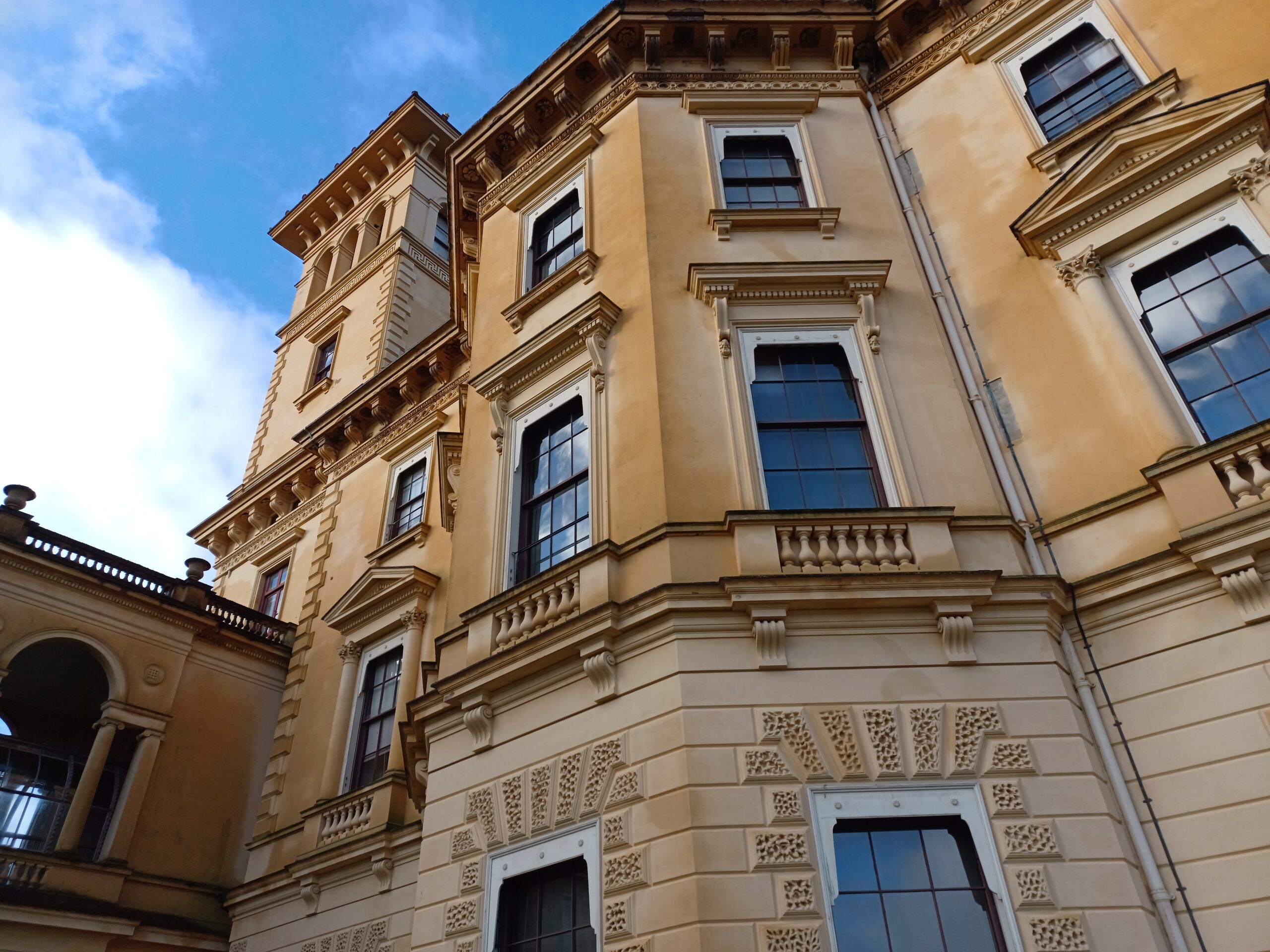
Throughout the British Empire, the Victorian Italianate style was chosen by people who could afford refinement and civilised comfort. The style represented elegance, taste, and dignity.
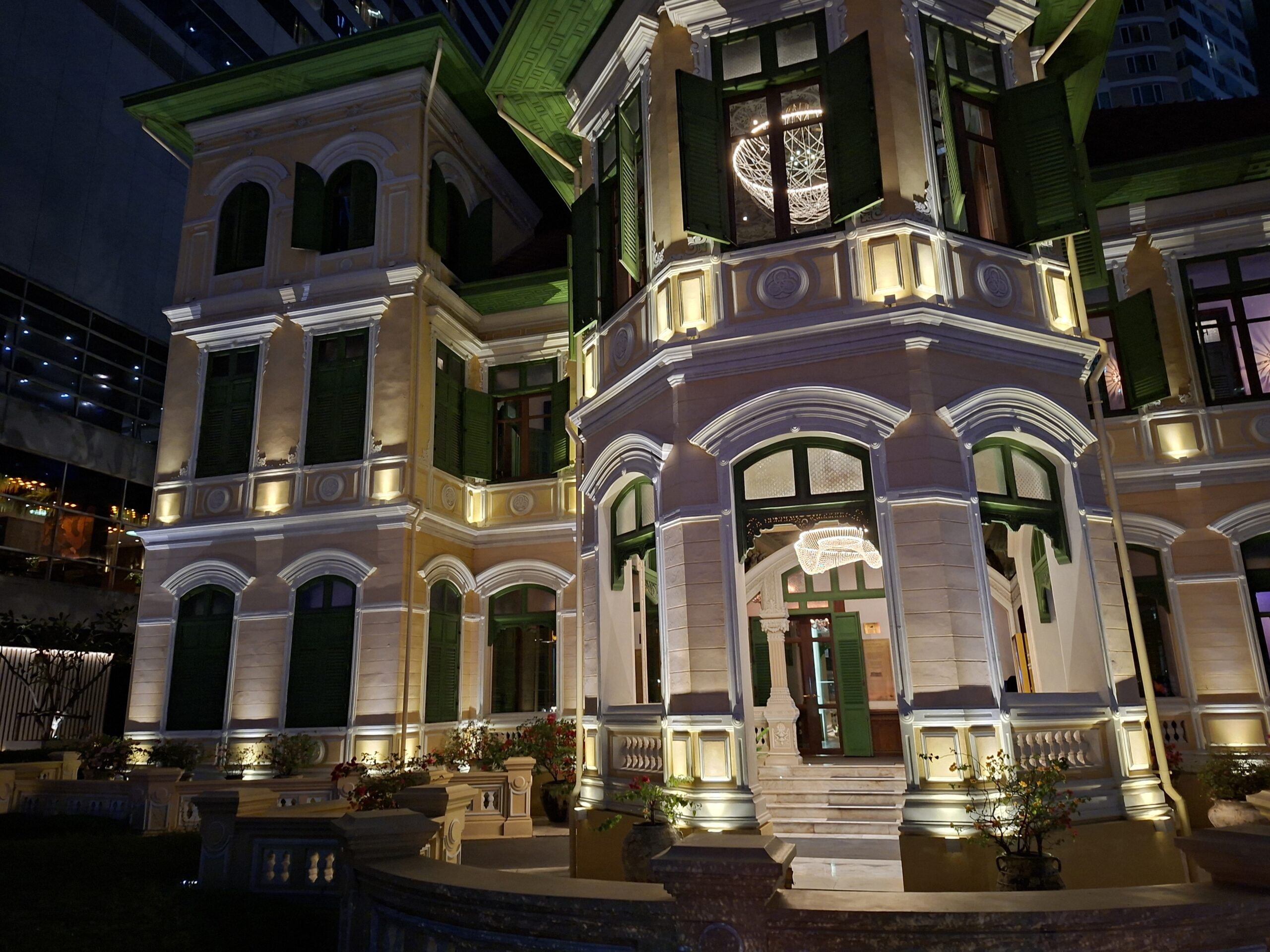
Here are some further examples of the Italianate in a colonial setting, and note the same picturesque and Italian architectural motifs.
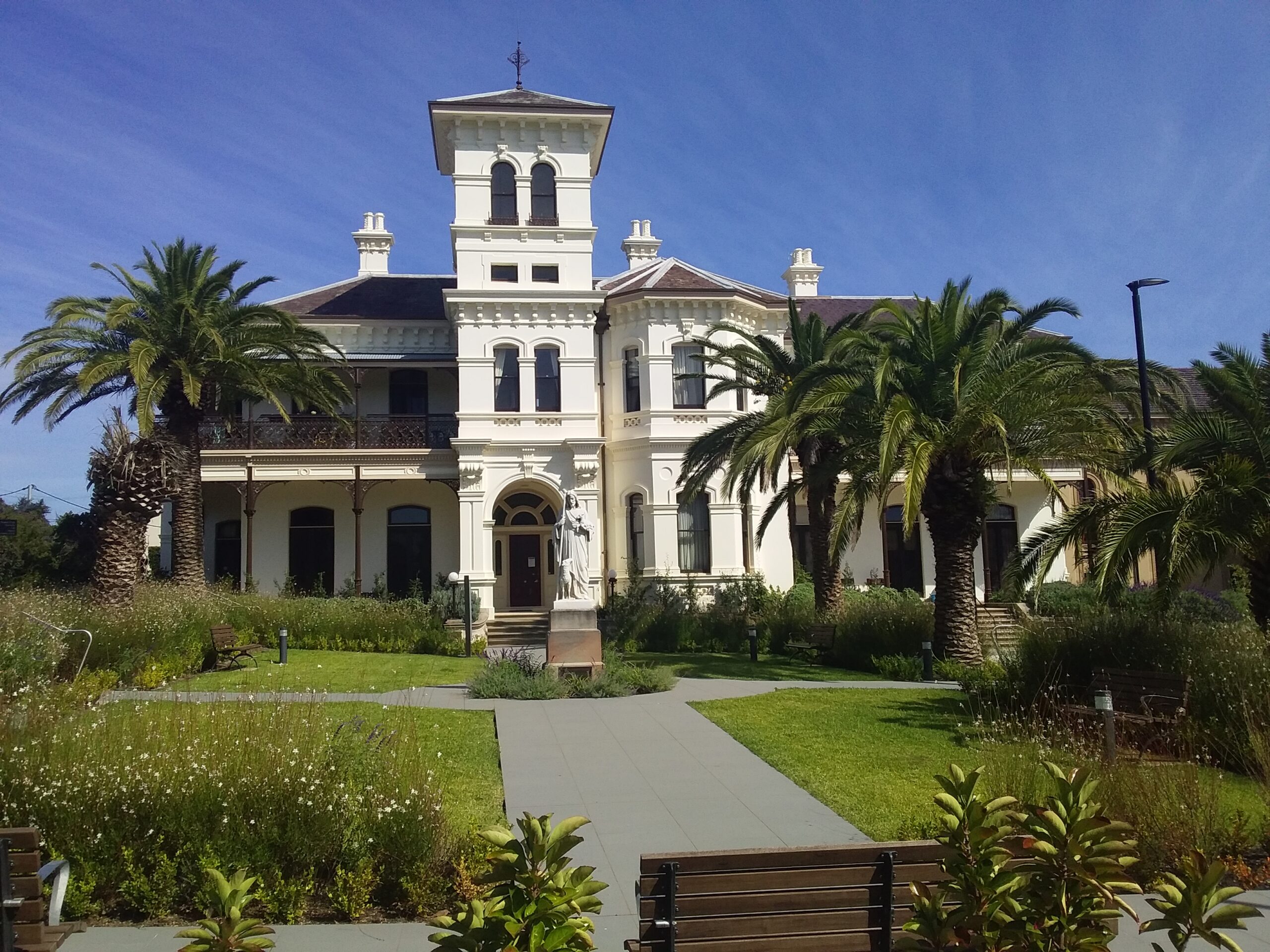
The property was sold to the Sisters of the Good Shepherd in 1913 and later became part of the Cardinal Freeman Retirement Village.